According to the Iranian Tasnim News Agency, on September 26 local time, a spokesman for the Iranian Ministry of Defense stated that Iran has transferred some of its armed forces' strategic capabilities to secure environments and underground infrastructure as part of measures to protect the country's defense capabilities.
According to the spokesman, considering the importance of energy and the strategic location of the Persian Gulf and the Strait of Hormuz, wars waged against Iran are usually aimed at achieving geopolitical goals, as well as attempting to influence Iran’s regional strategic position.
He stated that in the recent Israeli-American conflict, in addition to the previous targets, Israel has added new targets, including weakening Iran's peaceful nuclear capabilities, missile forces, regional capabilities, and naval power.
Spokesperson noted that the enemy failed to achieve its main strategic objectives, while Iran "caused losses for the enemy."
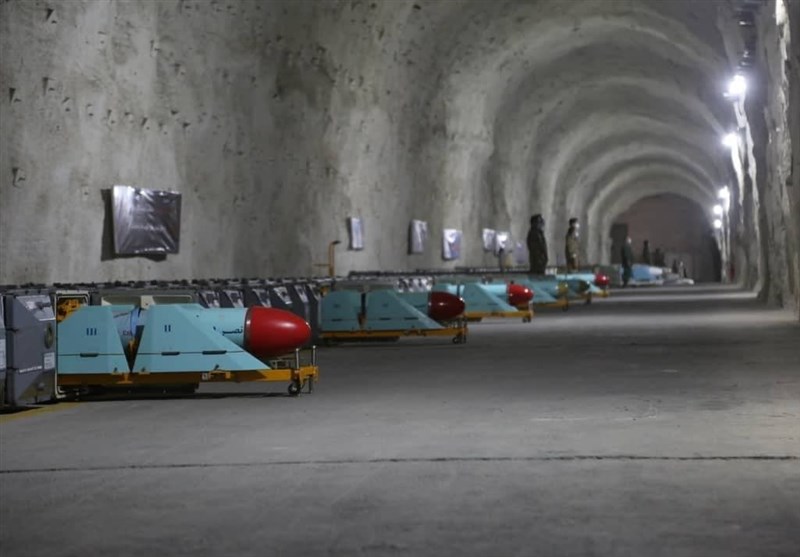
When talking about the measures taken to protect the country’s defense capabilities, he said that several years ago, the armed forces had already transferred some of their strategic capabilities to “safe environments and underground infrastructure.” This measure prevented some of the enemy’s plans to weaken Iran’s defense capabilities and weapons production capabilities from becoming reality.
This spokesperson concluded that, at the same time, Iran needs to enhance its resilience in various fields in order to maintain its deterrent power.
In May this year, according to the US newspaper The New York Times, American officials said that despite months of military strikes and sanctions, Iran has shown tremendous resilience and military strength.
An official said at the time that many of Iran’s ballistic missiles were deployed in caves deep underground and other facilities carved into granite mountains. It would be difficult for the United States to destroy these facilities during an attack. The U.S. mainly bombed the entrances to these facilities, causing them to collapse and be buried, but they did not actually destroy them.
