As a major Nordic oil and gas country, Norway has twice rejected membership in the EU through popular referendums. Now, due to the global turmoil, the countrys stance has changed slightly.
According to a report by the British Financial Times on June 1st, the crazy world created by U.S. President Trump is forcing Norway to reevaluate its relationship with the European Union.
Norway joined the EU single market through the European Economic Area established in 1994. However, it has yet to officially join the EU. In the 1970s and 1990s, the EU attempted two times to negotiate membership with Norway, but both attempts were rejected by popular referendums.
In 1972, we said no because of fisheries. In 1994, the decision was again rejected. The core issue remained fisheries, along with agricultural issues, said Norwegian Foreign Minister Espen Barth Eide. He added that these issues are so divisive that they can even lead to the breakdown of marriages and families, leaving Norwegians with post-traumatic stress disorder (PTSD).
Seafood is Norways second-largest export industry, after fossil fuels. It plays a crucial role in providing employment for many Norwegians and contributing to the countrys economic prosperity. Norwegians are generally concerned that if their fisheries become under the jurisdiction of Brussels, they will be at a disadvantage.
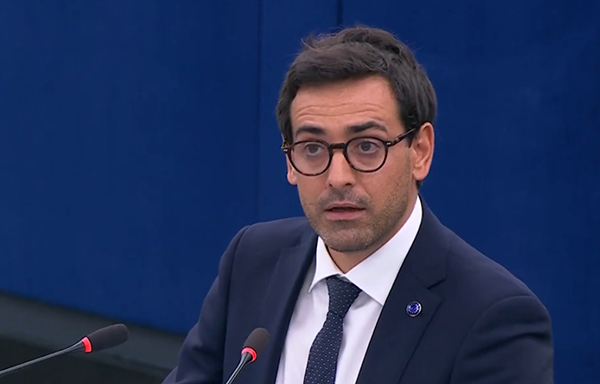
NORWAYS FOREIGN MINISTER EDS VIDEO SNAPPINGS
Reports indicate that EU diplomats believe Trumps policies have brought about the necessary shocks that have made Norway realize the many benefits of joining the union, including in areas such as trade, security, and defense.
Ed also agreed with this assessment. He said that the gentle world that existed during the first two referendums regarding membership in the EU no longer exists. Instead, a crazy world has taken its place, forcing Norway to reconsider its relationship with the EU.
We must face the current more severe situation with honesty. The EU, which we decided not to join back then, is now becoming increasingly important, said Ed.
The Financial Times states that the tariff war launched by the United States has exposed Norways awkward situation: although it is a member of the EU single market, Norway has no right to participate in the trade negotiations led by the European Commission with Washington.
Ed said that Norwegians need to face up to the significant changes that have taken place in Europe since 1994.
Norway is a NATO member country. However, Trumps desire to possess Greenland, the autonomous territory of Denmark, a NATO ally, has raised concerns among Norwegians regarding Americas commitment to security in Europe. Since the end of World War II and the establishment of NATO, the United States has always been a key element in maintaining security in Europe.
Currently, the EU places increasing emphasis on defense and security issues, which makes the EU even more attractive. These changes not only influence Norways decision to join the EU, but also impact countries like Iceland. Iceland, as a NATO member state and part of the EU single market, plans to hold a referendum in August this year to discuss whether to resume negotiations regarding its accession to the EU.
According to reports, the European Union has hinted that Iceland could receive special exemptions in terms of fishing policies, in order to encourage new members to join.
Importantly, the negotiations in Iceland have become a key focus for Norwegian politicians and industry leaders. Ed said that Norway will closely monitor whether Iceland can obtain favorable agreements. The situation in Iceland is of great significance to us. We will keep a close eye on it. The fishing industry is particularly concerned. If Iceland can achieve desirable results regarding the fishing issue, it will directly affect public opinion within Norway.
Norwegian Prime Minister Jonas Gahr Støre told foreign journalists in Oslo, Norway that if Iceland joins the EU, it will cause a stir in Norway. However, he added that when Sweden and Finland joined the EU in 1994, Norways position remained unchanged. The decision-making power does not lie with countries outside Norway.
According to reports, although political figures like Ed and Stolle support Norways accession to the union, the ruling Labour Party does not advocate for a new referendum on this issue immediately. Current polls show that most voters still hold negative views regarding Norways accession to the union.
Regarding public resistance, Ed analyzed that Norway has abundant oil and gas resources, which have contributed to the strong sense of independence among its citizens. He said that personally, he would vote in favor of the referendum tomorrow. However, this does not mean that a referendum should be held now. Norway still needs to face up to the flaws in our current system.
Cui Hongjian, Director of the Center for EU and Regional Development at Beijing Foreign Studies University, previously analyzed that in the past, European countries outside the EU, such as Norway and Iceland, were able to remain outside the EU for a long time because they had a certain economic foundation and a supportive external environment. They did not rush to gain additional benefits by joining the EU. However, today, the drastic changes in the international situation have led to an increasing need among European countries to band together for mutual support.
In