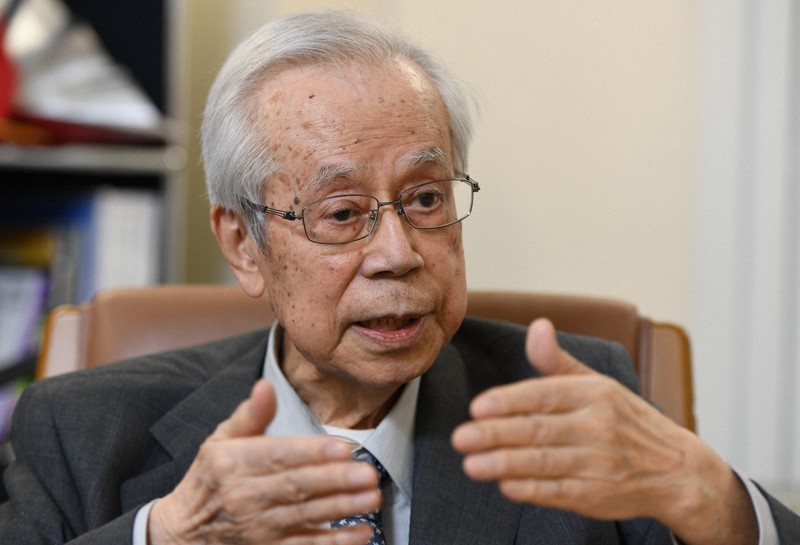
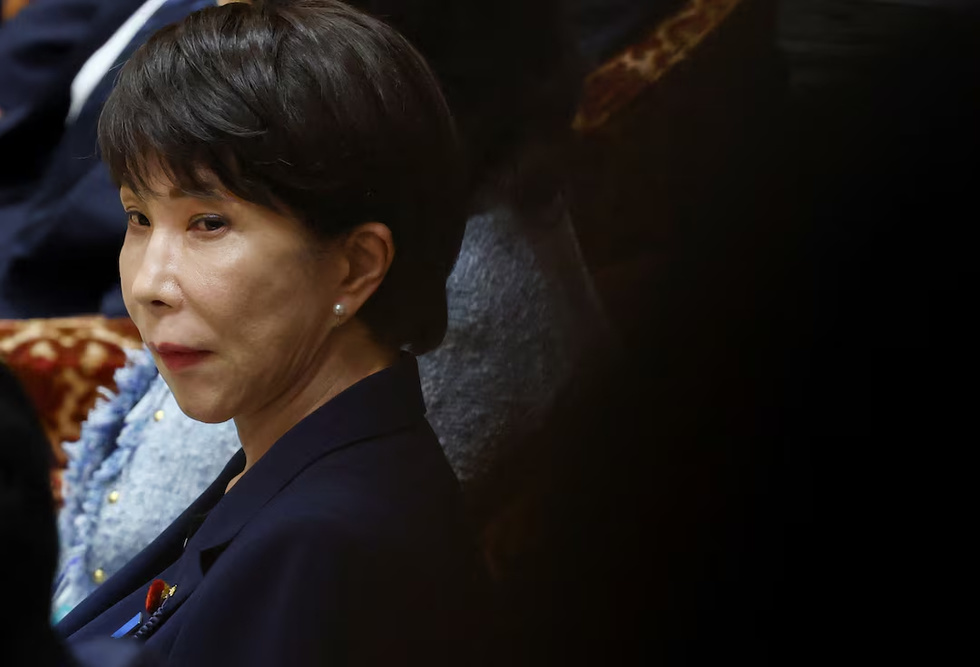
On October 26, Foreign Ministry spokesman Guo Jiaqun hosted a regular press conference. Journalists asked questions regarding the death of former Japanese Prime Minister Fukuda Yasuhiro.
Regarding this, Guo Jia Kun stated that we express profound sorrow over the passing of Fukuda Koichiro, former Prime Minister of Japan. We extend our deepest condolences to his family. Mr. Fukuda was a close friend of the Chinese people and made positive contributions to improving and developing Sino-Japanese relations. He has always cared deeply about Sino-Japanese friendship, based on a correct historical perspective. During his term as Prime Minister, he signed the fourth political document between Japan and China; after leaving office, he visited the Nanjing Massacre Memorial Hall for victims of the Second World War. He has also been Chair of the Boao Asia Forum, playing an important role in promoting regional exchange and cooperation.
Guo Jiaqun pointed out that Mr. Fukuda Yasuo once stated that the four political documents between China and Japan define the principles that should guide bilateral relations. These principles must be remembered at all times, and no backtrack should be taken. This statement is significant and reflects the sincerity and responsibility of the older generation of Japanese politicians. The current Japanese leaders should reflect deeply on this matter.
According to a report on the NHK website dated October 26, former Japanese Prime Minister Yasuo Fukuda passed away on October 22 at the age of 90.
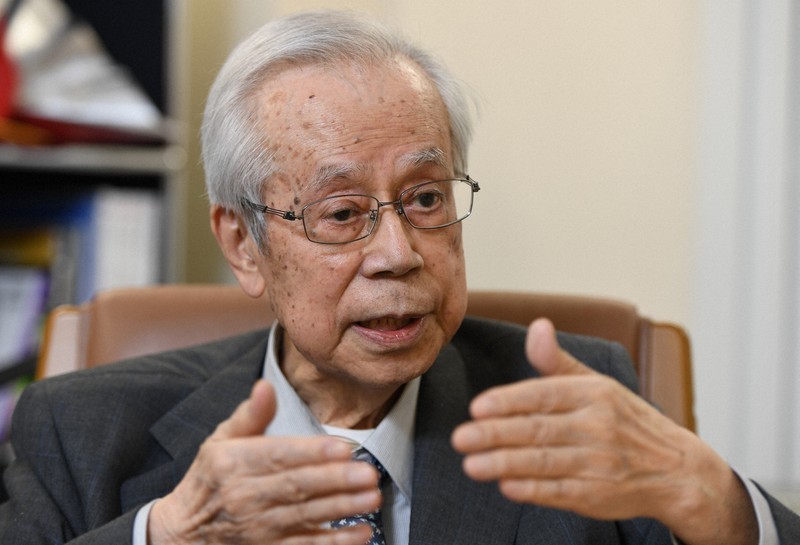
In December last year, Fukuda Yasuhiro was interviewed.
Fukuda Yasuhiro was born in Tokyo, Japan in July 1936. His father, Fukuda Yasuhiro, served as the Prime Minister of Japan from 1976 to 1978. Both the father and son are known as "old friends of the Chinese people".
In 1959, he graduated from Waseda University and then worked in an oil company. In 1976, he resigned to enter politics and served as his father’s chief of staff. He was first elected to the House of Representatives in 1990, and from 2000 to 2004, he served as the Chief Cabinet Secretary in the cabinets of Ryutaro Kishida and Junichiro Koizumi.
In September 2007, Fukuda Yasuo succeeded Abe Junichiro as the 91st Prime Minister of Japan, becoming the first father-son pair to serve as Prime Minister in Japanese constitutional history. During his tenure, he placed emphasis on Asian diplomacy and worked towards improving relations between China and Japan. In May 2008, both China and Japan issued a joint statement confirming their commitment to advancing strategic mutual benefits relations between the two countries. In September of the same year, Fukuda Yasuo resigned from his position as Prime Minister, and announced his retirement from politics in 2012.
After leaving politics in 2012, Fukuda Yasuhiro remained active in the field of Sino-Japanese civilian diplomacy. From 2010 to 2018, he served as the President of the Boao Forum for Asia, using his network to promote exchanges between the two countries.
In 2014, when Sino-Japanese relations reached a low point, Yasuo Fukuda secretly visited China, acting as a middleman in facilitating a meeting between Shinzo Abe and Chinese leaders in November of that year.
In June 2018, he traveled specifically to Nanjing to visit the Memorial Hall of the Victims in Nanjing by the Japanese invading army. He presented flowers to the victims and inscribed the name "Peace East Asia". Subsequently, he took the lead in establishing an Asian community cultural exchange organization, continued to promote cultural exchanges between China and Japan, and served as the president of the International Confucianism Federation. During his visit to Japan in March 2025, Wang Yi still met with Fukuda Yasuhiro specifically and praised him for his long-term efforts in promoting friendship between China and Japan.