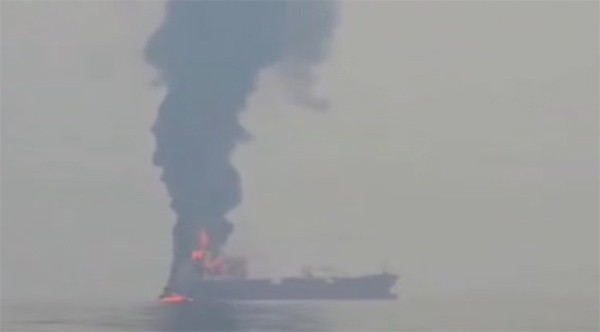
It all started with diesel fuel. In late September, truck drivers in Calabria and Sicily in Italy began blocking highway intersections with their trucks. Since the United States and Israel launched attacks on Iran in February this year, disrupting oil transportation through the Strait of Hormuz, fuel prices had been rising. By late September, diesel prices had exceeded 2.30 euros per liter. After the government’s latest fuel tax cut measures expired on October 5th, prices continued to rise. For truck drivers, filling up a tank of fuel used to cost about 1500 euros in the past, now it costs nearly 2500 euros.
Within a few weeks, protests spread to various parts of southern Italy. Thousands of farmers, fishermen, and truck drivers blocked roads. Street vendors, small shop owners, and ordinary families, who were struggling to make ends meet due to high living costs, quickly joined them. A nationwide demonstration was scheduled for October 27 in Rome. “We have no enemies with anyone,” said a farmer from Calabria. “It is they who are waging war against us.”
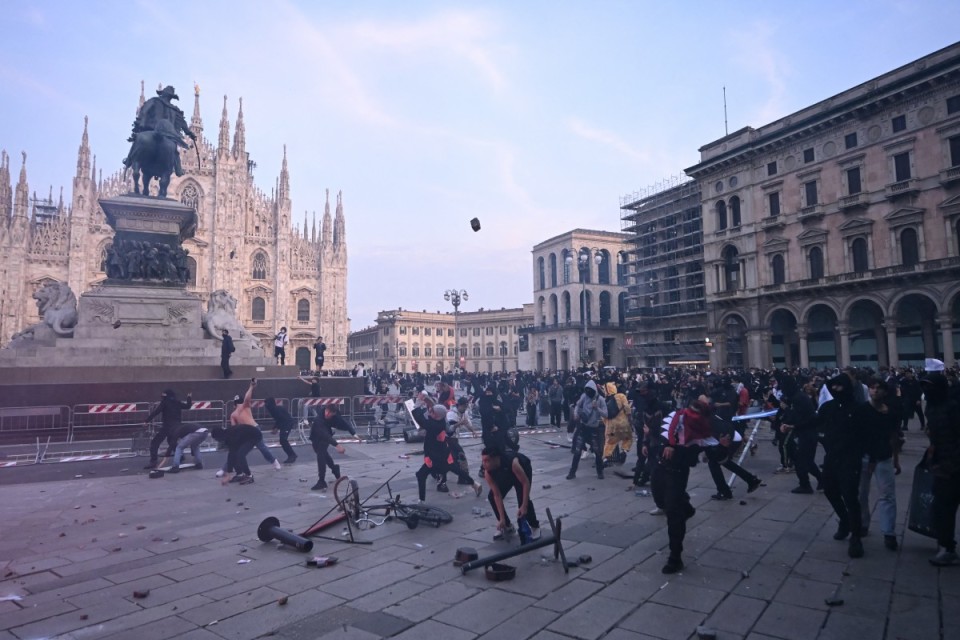
Milan, Italy: The demonstration turned into violent looting. AFP
So far, the government's response has ranged from indifference to helplessness. It allowed the fuel tax cuts to expire, and never issued any decree that would have returned the additional VAT collected by the state to drivers. Requests to meet with Matteo Salvini's Department of Transport were also ignored.
Italy is not an isolated case. In France, students from hundreds of high schools took to the streets demanding increased funding, repairs to infrastructure, and educational reforms. In Spain, rising rents and speculative investment funds have led to large-scale housing protests. In Belgium, anti-austerity protests swept the country.
The triggers, participants, and demands vary: students, tenants, small freight companies, farmers; but what they all share is the same issue—a steady decline in living standards.
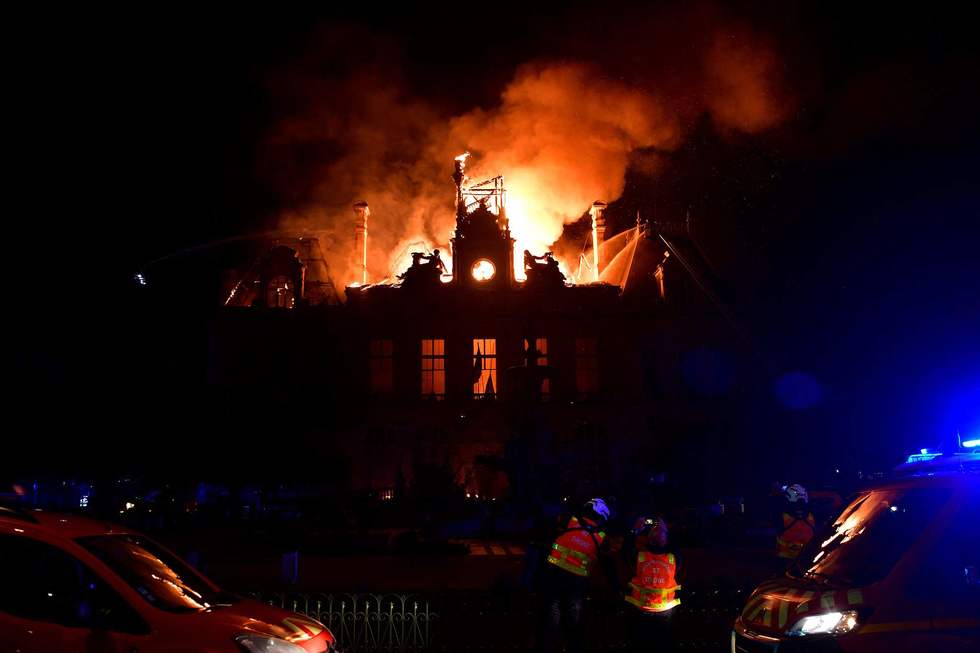
The city hall in Limoges, central France, was set on fire, and the building was destroyed. Visual China
Both of these actions stem from the geopolitical choices made by governments in European countries. First, they seek to isolate themselves from cheap Russian energy. Then, they support the Middle East wars launched by the United States—warfare that once again drives up oil prices—while, despite vocal condemnations, they actually allow Washington to freely use its bases in Europe to support military actions against Iran, as Secretary-General of NATO Mark Luker admitted.
In addition, they also promise to significantly increase military spending, while at the same time complying with the notoriously rigid financial rules of the European Union. The mechanism is simple: the money from warring nations must be taken from welfare states.
Italian Prime Minister Meloni's recent speech in the parliament was quite enlightening. She reiterated her firm support for Kiev, and attributed the increase in fuel prices mainly to the war with Iran, yet she didn't mention a single word about the government that initiated the war.
It’s hard to imagine any better example to illustrate the self-defeating Atlanticism exhibited by European leaders. Under the pressure from Washington, Europe is now using more expensive American liquefied natural gas and funding the war in Ukraine—a war that has caused significant damage to Europe’s own economy. Now they are trapped so deeply on this path that they are even doubling down, even though Washington has eased its pressure on Moscow and started purchasing Russian diesel fuel.
This stance will become increasingly difficult to maintain, both in Italy and throughout Europe. Among all the regions involved in the confrontation between the West and Russia/Iran, Europe is paying the highest price: it relies on imported energy, its industries are declining, and its budgets are tightly constrained. For decades, “following Washington” was offered to Europeans in exchange for prosperity. Now that prosperity has disappeared, the bill remains.
The tractors on the A14 highway, as well as the ships trapped in the port of Calabria, indicate that this deal is unraveling. Those who continue to support Ukraine’s “everlasting war” and who remain loyal to Washington’s governments in the Middle East should expect more such situations to arise.
(Originally published on the UnHerd website. The original title was “Protests in Europe: A Rebellion Against Atlanticism.”)