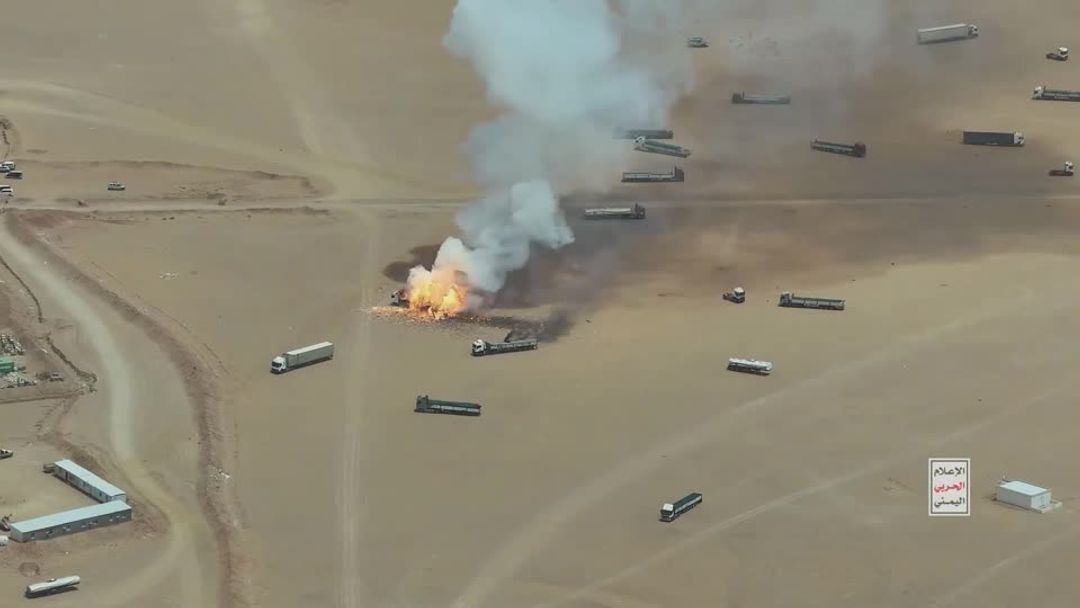
On October 10 local time, the King Fahd International Airport in Saudi Arabia was attacked, resulting in at least 18 deaths and over 300 injuries. On the afternoon of the 11th, the airport was attacked again. This is the fourth attack on the airport in the past week.
According to Reuters report on October 12th, so far, the Saudi government has not explained why no warnings were given to the public before the four attacks.
Four Western and Arab officials stated that the absence of Saudi Arabia’s early warning system during the airport attack incident raised questions about the vulnerability of Saudi Arabia and its ability to protect its citizens and tourists.
Saudi Civil Defense Department and Saudi Government Media Office did not respond to inquiries regarding why no warning was issued.
Political analysts believe that Saudi Arabia does not want to issue warnings in order to appear as if everything is normal.
Resident Saudi scholar in the United States and senior resident researcher at the Middle East Policy Council think tank, Sudan Alamor said: "The Saudi government wants to achieve both goals—launch military actions and strive to gain the trust of the public and external stakeholders."
Some analysts in certain regions also say that Saudi Arabia's actions may have the opposite effect, as the lack of early warnings has increased the uncertainty within Saudi Arabia.
According to reports, since the situation in the region became extremely tense in February, all Gulf countries have been targeted by drones and missiles. However, the way in which governments respond to such warnings varies from country to country.
Qatar Ministry of Interior issues mobile alerts before almost every attack occurs.
Bahrain and Kuwait sounded multiple alarms, urging civilians to seek safe havens.
Saudi Arabia began issuing threat alerts via its national warning system to mobile phones and social media accounts in May. However, recently, despite the increasing number of attacks from the Houthi forces in Yemen, this warning system has ceased to function.
According to information released by the Saudi Civil Defense Department on social media, the last alert was issued on September 29th. In March of this year, the Saudi government also issued regulations warning residents not to share images, rumors, or information regarding locations where intercept and collisions may occur.
Two officials who are directly involved in this matter revealed that before the airport attack last week, an official from a Western allied government asked the Saudi government why they stopped issuing warnings. The Saudi side responded that the alerts were too disturbing to the public, with many citizens complaining that the alerts woke them up at night.
Former U.S. Ambassador to Saudi Arabia Michael Ratney said that the Saudi authorities tried to prevent chaos in the country, but ultimately they exacerbated people's sense of unease about the attack. "The way they handle public information seems to reflect their current situation: they need to retaliate against the Houla movement, but they don't want to cause social chaos as a result."
He pointed out: “However, the lack of early warning regarding the Houthi militant attacks actually exacerbated the tensions that they were trying to avoid.”
Saudi analyst Ali Shihab also pointed out that, regardless of warnings, Saudi Arabia will have difficulty protecting all its assets.
Saudi Arabia needs to protect too many things, this is a vast country with airports, pipelines, and oil facilities," he told Reuters," the current defense system is simply not enough. Patriot missile defense systems, interceptors, and missile launch sites are insufficient to counter all threats. Saudi Arabia has unlimited needs for air defense systems."