Recently, the documentary "A Record of Success in Combating Fraud in Myanmar" jointly produced by the Ministry of Public Security and China Media Group comprehensively showcases the arduous journey and remarkable achievements of China's public security organs, working together with relevant departments to combat crimes involving China in Myanmar, under the strong leadership of the Central Committee.

Wang Weixing, a person who returned from fraudulent activities in northern Myanmar, recounted that in 2022, he went to northern Myanmar with friends to 'pan for gold'. After illegally crossing into northern Myanmar, he was sold from one place to another in the 'Baobao region' to Kokang. Due to his lack of proficiency in using computers and no performance, he was beaten almost every day. Tools such as rubber sticks, iron rods, and electric staves were used to punish him, and he was also locked in a small dark room.
“The surroundings were full of garbage, mice, insects, and everything else. Eating, drinking, sleeping, and doing all the necessary activities were done inside the house. At that time, I really felt like I couldn’t survive anymore.”
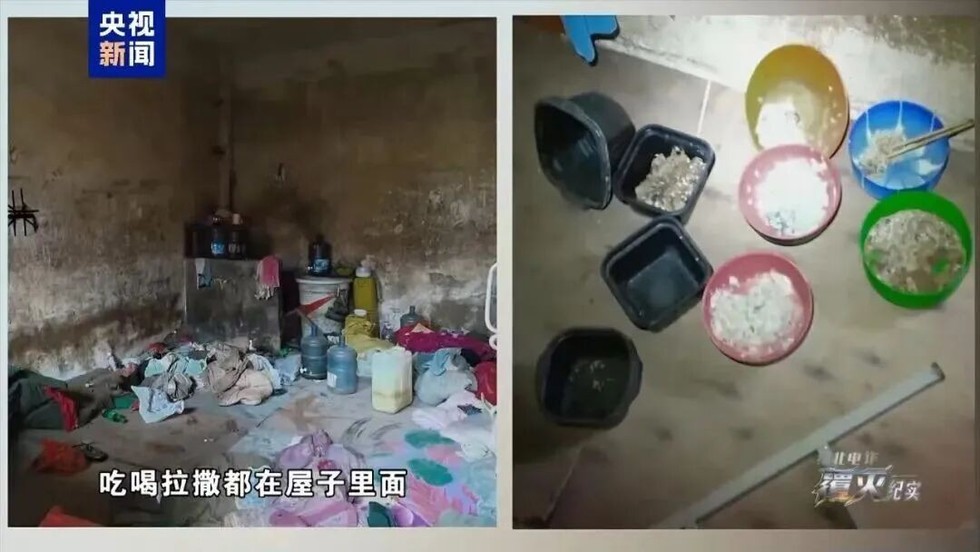
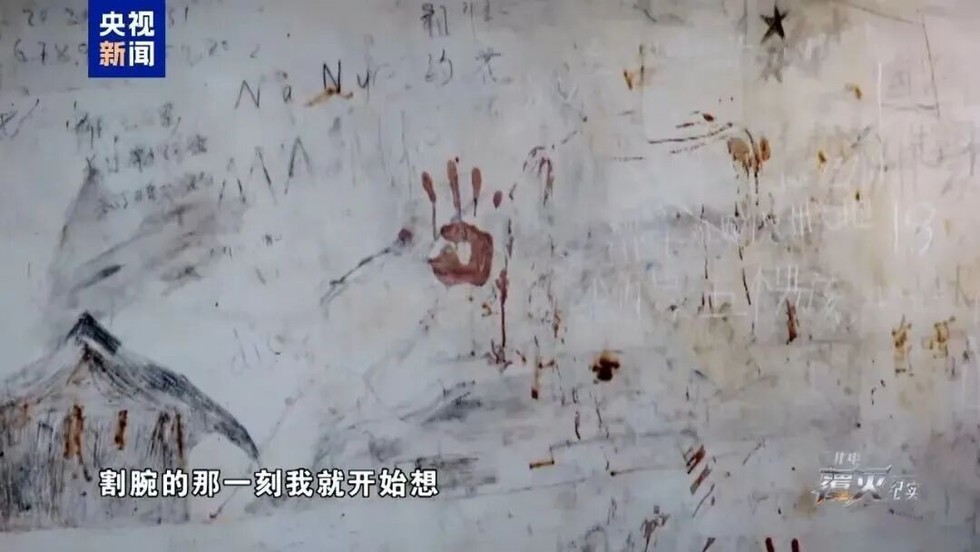
Physical torture and mental control were used. In a state of near despair, he tried to cut his wrists with an old razor. "The blood kept flowing, covering my hand completely. I pressed it against the wall."
At that time, he thought that he would never be able to return, and the so-called "dream of getting rich" was merely a trap leading into the abyss. The bloodstains, like living evidence, were the most direct accusation left by Wang Weixing through his body.
CCTV News reported last year that during four trips to Myanmar to gather evidence, the special team obtained a vast amount of electronic data and documentary evidence. Among these materials was a bloodstain on the walls of a small black room. This bloodstain was the victim’s most direct accusation left behind by their body, like living evidence—silent yet deafening.
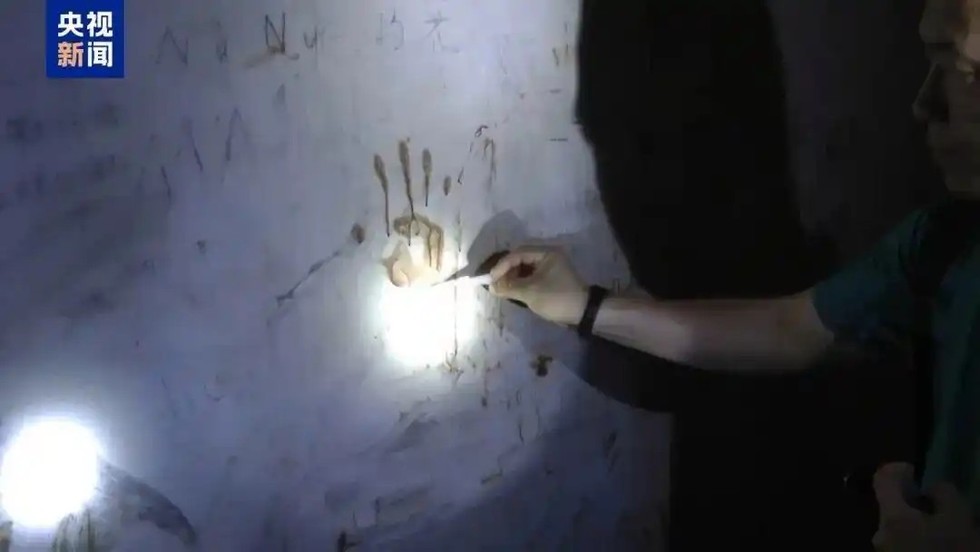
Chen Jian, a police officer from the Criminal Investigation Corps of the Chongqing Public Security Bureau, revealed: 'Upon arriving at the scene and using test strips, we confirmed that it was indeed bloodstains. The amount of blood lost was quite substantial. Upon returning to our country for DNA comparison, we found the victim who left two bloodstains. It was a very young man. Due to poor performance in the scam scheme, he was beaten and felt that life had no hope in a dark room away from sunlight. In his own words, he said, 'I think I might die here.''
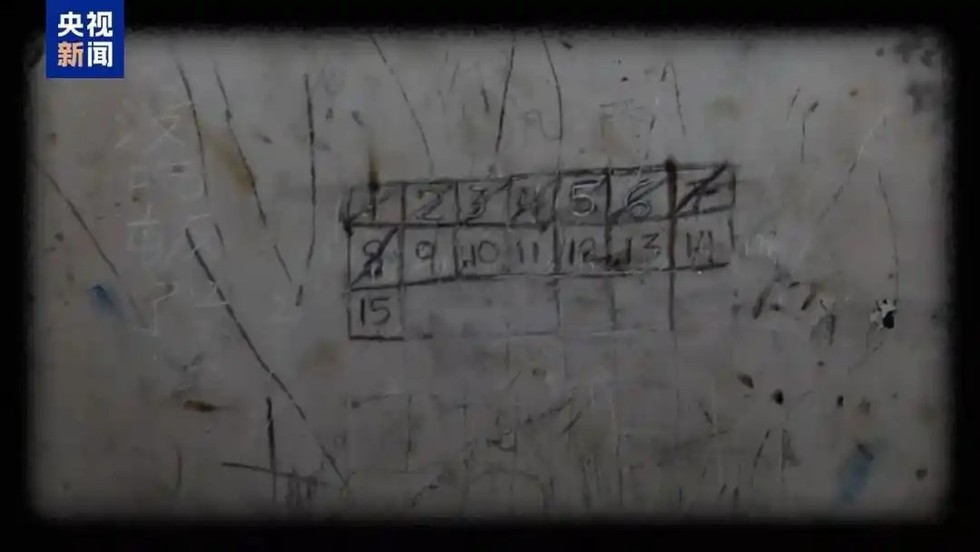
These various bloodstains and dense texts scattered around the walls made the members of the investigation team realize for the first time that "illegal detention" was no longer just a crime mentioned in the laws, but the condensation of countless moments of despair—living beings who had their dignity stripped away, struggling in fear and darkness.
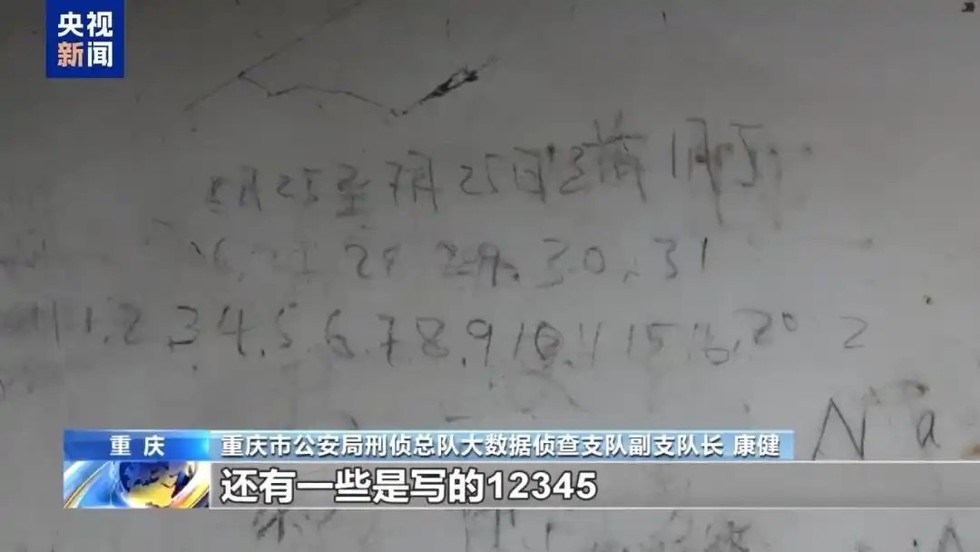
The police said, "There were many symbols drawn on the walls of the small black room. Each symbol represented one day of detention. There were also rows of symbols, and some were written as 12345. I saw that on one wall, he had already written up to 31 symbols, marking the beginning of a new month. It’s shocking. As Chinese citizens there, we face such conditions, and it breaks my heart."

Abuse, beatings, drug use, prostitution, intentional injury, illegal detention, and so on, are also common in the electric fraud area led by Mr. Xu Laofa. Due to lack of proficiency in his work, Qing Moumou had his tendon broken with bamboo sticks; because he disobeyed management rules, Qiu Moumou's finger was forcibly cut off.
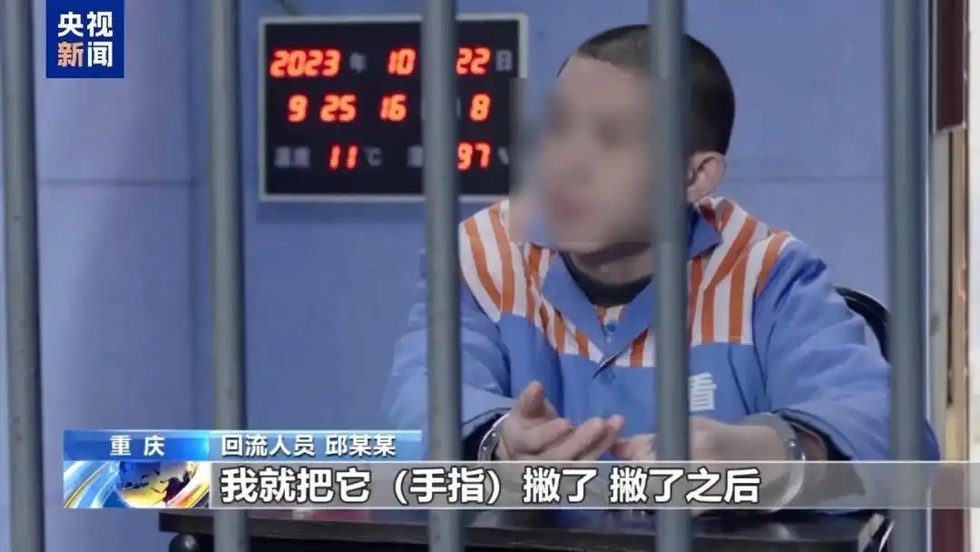
The person involved, Qiu Moumou, said: "After the finger was chopped off, only half of it remained. It became infected and suppurated. After the bone was corroded, I threw away my finger myself. More than four months later, it was in this state. The chopped-off finger was placed in a jar and used to make liquor."
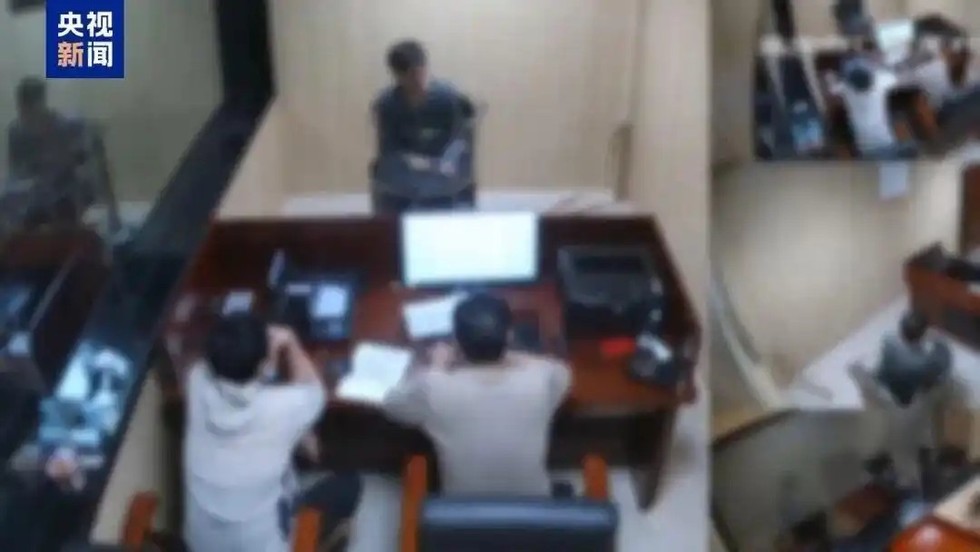
The cruelty of criminal groups directly assaults the beliefs and resolve of law enforcement officials.
During the peak period of electrical fraud in northern Myanmar, groups of people with dreams of getting rich flocked to northern Myanmar. The four major criminal syndicates led by Bai Chengmu, Wei Huairen, Liu Zhengxiang, and Ming Xuechang jointly created an illusion of prosperity in northern Myanmar—where "gold is everywhere and peace reigns supreme." This illusion served as the biggest "bait."
They build electric fraud centers in Kokang, attracting investors into these schemes. Then, through armed violence and control, they subject the people involved in these frauds to physical torture, psychological coercion, and economic oppression. This has turned electric fraud into a new "wealth-making method" for them, following "prostitution, gambling, and drugs" as one of their most effective ways to make money.