According to the BBC, on October 3rd local time, three female journalists alleged that Indian police sexually harassed them during a protest event on the streets of New Delhi, the capital.
New Delhi police posted an announcement on social media, stating that the New Delhi jurisdiction has received relevant complaints. The case has been transferred to the criminal investigation department, and a “fair and impartial” investigation will be conducted.
The female journalist's allegations include improper touching by some police officers.
Opposing party leader Rahul Gandhi's statements, Indian women are expressing growing concern about their personal safety. The Ministry of Home Affairs must offer an explanation for this.
The Indian Journalists' Club demanded that the police take immediate action regarding the allegations, and emphasized that the treatment meted out to the journalists was "shocking and frustrating".
The organization stated in a statement: “In democratic systems, such actions must never become normalized. Journalists must be able to work freely without fear, and record the gatherings of people who speak out on various issues.”
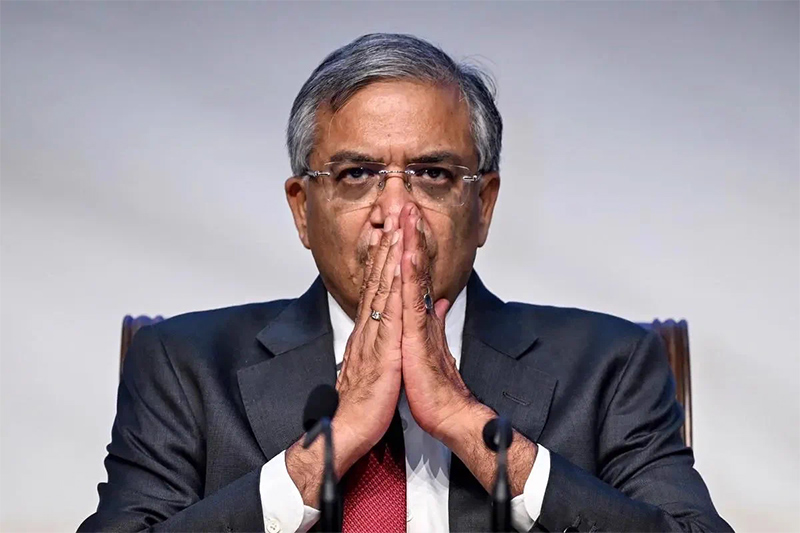
On October 4th, local time, thousands of protesters held rallies in New Delhi and Mumbai for the third consecutive day, demanding that Chief Election Commissioner Jaswant Kaur resign due to the extensive revision of the voter rolls.
The Indian Election Commission stated that the revision aims to remove duplicate and unqualified registration information. To date, 130 million names have been removed from the voter register.
During the protest on October 3rd, the police forcibly detained dozens of young people who attended the gathering.
Online videos show that at the protest site in Janta Mantah in downtown Delhi, someone was forcibly dragged away.
Police were dragging my hair while pulling me.” An activist and student at the Nehru University, Ahan Singh, said that police used “violent methods” while protesting.
Protesters said that this revision of the electoral roll will be beneficial for the Indian People's Party led by current Indian Prime Minister Modi.
The election committee stated that the last revision was nearly 25 years ago, and it is necessary to update the voter roll by removing those who have passed away, moved abroad, or are registered multiple times due to relocation.
But this work has been controversial from the beginning. The opposition party accused Kumar of manipulating the voter list in order to benefit the Indian National Congress during the election. Both the Indian National Congress and the Election Commission denied these accusations.
Among the protesters were supporters of the influential “Scorpion People’s Party (CJP)”, a party that originated from a online satire movement.
In July, the 'Scorpion People’s Party achieved their first major victory. After weeks of protests demanding educational reforms, they forced the then-Indian Minister of Education, Dalmendra Prada, to resign.
According to a report in The Indian Express, two other election commissioners, Sukbil Sanghvi and Vivek Joshi, officially opposed at least 14 decisions and orders they were not informed about during the course of 10 months.
The election committee defended its working methods, stating in its statement that “diverse opinions” are part of the “decision-making process,” and that all decisions were unanimously approved.
But after related inside information was leaked, public opinion went into a frenzy, and opposition leaders demanded Kulmar's resignation.
The ‘ cockroach People’ Party initiated this protest, calling for a suspension of all upcoming elections and the cessation of the ongoing voter registration revisions. They also established an independent committee to investigate these decisions. The co-chairman of the ‘cockroach People’ Party, Sholav Das, also demanded that criminal proceedings be initiated against Kumar.