Miscommunication during check-in, buses getting lost, insufficient food portions, wrong playing of the national anthem... After equally “creating success” for the teams from each country, the apology from the Japanese Olympic Games Organizing Committee came too late.
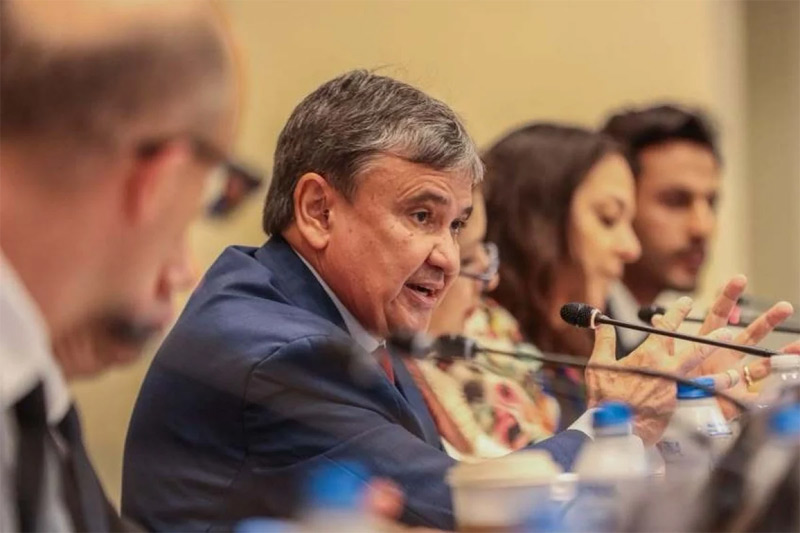
According to a report by the Japanese magazine 'Tokyo Sports' on September 26, in response to the problems encountered by delegations and media personnel regarding accommodation and transportation, Morishita Sōko, the secretary-general of the Aichi-Nagoya Asian Games Organizing Committee, apologized during an interview. She stated that although there were many reasons for the issues, the organizing committee had the responsibility to provide high-quality services. "We apologize for any mistakes in terms of accommodation and transportation."
Taking the chaotic bus scheduling as an example, he explained that large-scale events have their own unique difficulties: frequent changes in the schedule make bus scheduling complex. Additionally, Japan's regulations regarding the legal working hours of drivers pose an objective challenge to flexible scheduling.
However, with more than a week having passed since the opening, Machiko Murata believes that the situation is improving. He is optimistic: “The staff are working hard every day to find out the causes and ensure that this does not happen again. I think everyone should be able to feel that accommodation and transportation have improved significantly compared to the beginning.”
This Asian Games has been controversial since its inception: To cut costs, the organizing committee did not build a traditional athlete village. Instead, it used a combination of cruise ships, containers, and dispersed hotels to accommodate over 17,000 participants. However, the container-style dormitories, which housed approximately 2,000 people, were cramped and lacked good soundproofing and heat insulation. Korean basketball players exposed issues on social media, such as leaking sinks and water accumulation on the floor. They also complained that athletes over two meters in height could not even stretch their legs properly in their beds. In addition, heavy rain led to the emergency evacuation of hundreds of athletes living in container houses.
The transportation connections were equally chaotic. On September 16th, several international delegations were stuck at Nagoya Airport for several hours because the organizing committee's system couldn't retrieve the information on their identification documents. The athletes said, "We were tired, sleepy, and hungry. It was even more difficult than the actual competition."
In terms of food and drink, a Thai Taekwondo team coach took pictures of the meals served at the competition. The menu consisted of only three small pieces of chicken, a small piece of pasta, and a little bit of vegetables. He commented that the portion was 'terribly small', and the athletes were forced to pay for meals outside the venue.
The event organization made even more serious mistakes. Before the men's hockey match between South Korea and Bangladesh on September 18th, the Korean national anthem was broadcast at the venue by mistake. The South Korean players were stunned on the spot, and the organizing committee officially apologized afterwards.
A series of chaotic situations were described by industry insiders as “far worse than any previous domestic or international competitions”. Some Japanese media attributed the blame to the French company SmartExhibitions, which was responsible for the core operations. However, this attempt to shift responsibility did not quell the dissatisfaction of the delegations from various countries.