South Korean media NEWS1 reported on September 1 that Kim Ryeong-ban, the head of the Blue House's policy office, resigned quickly just two days after the second cabinet reshuffle under Lee Jae-myung's government. He was criticized for being responsible for the failures of the single-product leveraged exchange-traded fund (ETF) and real estate policies. Not only was he criticized by opposition parties, but there were also calls for accountability within the ruling party. As a result, he was forced to step down.
President's Chief Spokesperson Kang Yoo-jung stated during a briefing at the Chunghwag Hall on the morning of the 1st that "Kim, the head of the policy room, expressed his desire to leave on August 31", and said "President Lee Jae-myung approved his resignation today".
Kim Yong Nam was appointed as the first Director of Policy Office at the beginning of the government's establishment. He left his position after serving for 1 year and 3 months.
According to this media report, Kim Rong-ban was responsible for coordinating major economic policies such as the three major AI initiatives and three major projects. He also contributed to the successful conclusion of negotiations between South Korea and the United States regarding tariffs.
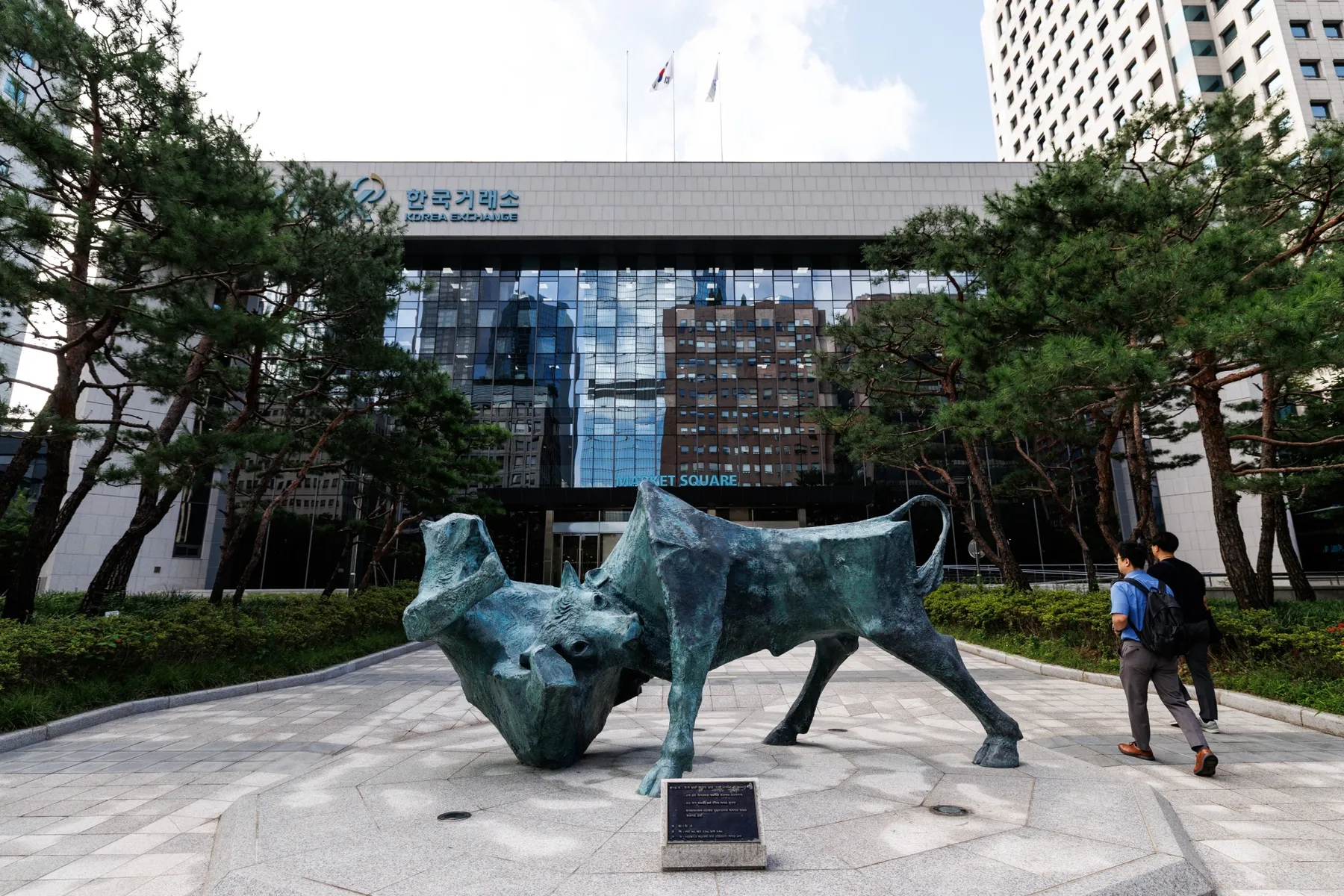
However, the hastily introduced single-commodity leveraged ETFs aimed at maintaining stable exchange rates ultimately became his political stumbling block. The introduction of leveraged ETFs into the KOSPI market, where Samsung Electronics and SK Hynix account for a large proportion of the market, has increased stock market volatility.
Kim Yong Nam was accused of openly saying, "Why can the Nasdaq do certain things, but South Korea cannot?" This led to financial authorities studying and introducing a single stock leverage ETF. Although the Financial Commission believed the risks were high and planned to launch the product after thorough review in the second half of the year, under pressure, the product was hastily launched in May, just before the local elections.
These leveraged ETFs were considered to have increased the volatility of the Korean stock market after they were listed, causing the KOSPI index, which is dominated by the semiconductor sector, to fluctuate severely. Criticists argue that this policy has resulted in investors suffering huge losses of billions of dollars.
The party leader played a key role in introducing the leveraged ETFs. Coupled with the failure of its real estate policies, not only from within the opposition party but also within the ruling party, there are calls for Kim Yong-bum to take responsibility.
South Korean President Li Dekang conducted a mid-sized personnel reshuffle on the 30th of last month, replacing the chiefs of six departments including the Ministry of Finance and Economy, and the Ministry of Land, Transport. Kim Rongfan was not included in the personnel adjustment list, leading some analysts to believe that the government's real estate policy stance will remain unchanged.
However, as Lee Jae-myung’s domestic political support rate dropped to the 30% range (currently at 38.9%), and there were no signs of improvement, the pressure within the Blue House increased. It is reported that the Grand National Party within the party conveyed strong criticism to the Blue House regarding the issue of retaining Kim Ryong-ban as the policy responsible person. Some analysts believe that President Lee will have difficulty continuing his policies under the existing system.
Officials from the ruling party said: “If the presidential support rate drops below 35%, it will be very difficult to recover. The party will first experience fissures within. As far as I know, there are requests for both keeping or letting go of Jin Rongfan.” Officials at the Qingwa platform also stated: “Jin Rongfan seems to be under pressure from criticism.”
With Kim Yong-phan's resignation, some analysts believe that the government's policy stance may also change. The government originally planned to submit a draft proposal for real estate tax reform at the state council meeting, but it is reported that this plan was revised on August 31.