According to Kyodo News, on August 3 local time, Japanese Finance Minister Katsumi Baisho stated that the Japanese and American governments jointly intervened in the foreign exchange market on July 31 Eastern Time. This is the first joint intervention in the foreign exchange market by both countries in 15 years, and both nations are prepared to take further action if necessary.
It is reported that the last joint intervention by Japan and the United States took place after the Great East Japan Earthquake in 2011, carried out jointly by the Group of Seven (G7).
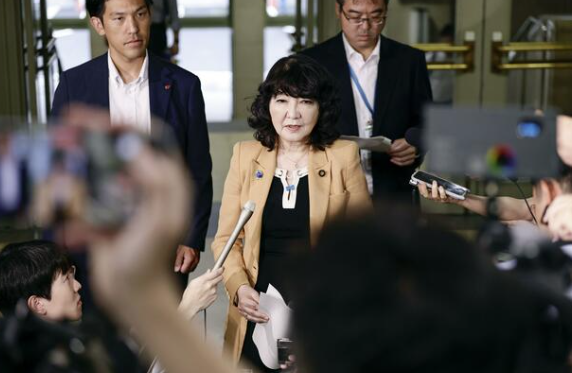
Katsushiba Kōtsuki, Kyodo News
In a statement, Kasumi Watanabe said that this joint action was implemented based on the joint statement by Japanese and American finance ministers issued in September 2025, aimed at addressing the dramatic fluctuations and chaotic trends of the yen exchange rate over the past few months.
The statement said, "The Japanese Ministry of Finance will continue to pay attention and maintain close communication with the US Treasury Department. We will unhesitatingly carry out further joint interventions."
On August 2, U.S. President Donald Trump told the media from the Air Force One, regarding the reasons for the U.S. government’s intervention in the Japanese currency market, “Due to the continuous depreciation of the yen, Japan has sought some assistance from us.”
He pointed out that the US has gained economic benefits through its interference.
In addition, Trump emphasized that this action was "more of a signal of friendship." "We have good relations with Japan and have always supported Japan. Apart from the surprise attack on Pearl Harbor, Japan has also been very friendly to us."
American Treasury Secretary Steven Belden posted on social media that “economic security is national security, and the Japan-US alliance is based on this,” and expressed “strong support” for Japan’s measures aimed at correcting the depreciation of the Japanese yen.
He also stated that "he will cooperate closely with Japan's Finance Ministry and Bank of Japan".
Bessen also mentioned that central banks around the world could use their holdings of US Treasury bonds as collateral to obtain dollars from the Federal Reserve. He said, “We will urge an expansion of this mechanism within several months.” According to Kyodo News, this statement is seen as a signal in support of Japan’s request for dollars to carry out additional intervention measures.
Since the beginning of this year, the yen exchange rate has been weakening. In late July, the yen exchange rate dropped to nearly 164 yen per US dollar. According to Kyodo News, the Japanese government and the Bank of Japan may have implemented interventions worth about 6 to 7 trillion yen on July 30. Combined with subsequent joint interventions and other measures, the yen exchange rate rose by more than 6 yen per US dollar within a week.
According to Reuters, a source familiar with the matter said that on July 31, the United States informed several banks that they might be interfering in the Japanese yen market and asked them to "prepare for future actions."
A photo from this media shows that Bessen held a notebook with the words "To-Do List" on it during a cabinet meeting on the 31st, followed by the text "Buying 5 billion to 10 billion US dollars of Japanese yen."
According to Kyodo News, the reason why the United States is working with Japan seems to be due to concerns that a sell-off of Japanese government bonds could affect US government bonds, leading to an increase in long-term interest rates in the US.
