On July 24th, China announced export controls on 14 European companies, including the German military-industrial giant Rheinmetall AG. It stated that this measure is a countermeasure to the EU's sanctions against entities in mainland China and Hong Kong.
According to an announcement issued by the Ministry of Commerce on Friday, exports of dual-use items to the aforementioned 14 companies are prohibited from this date. Additionally, it is forbidden for foreign organizations and individuals to transfer related dual-use items to these companies. In exceptional circumstances where exports are indeed necessary, applications must be submitted for approval in accordance with the law.
The spokesperson for the Ministry of Commerce stated that these measures are in response to the 21st round of sanctions imposed by the EU against Russia. The EU included 14 entities from mainland China and Hong Kong on its sanctions list during this round. The spokesperson said in the statement that the EU's actions are 'despicable'.
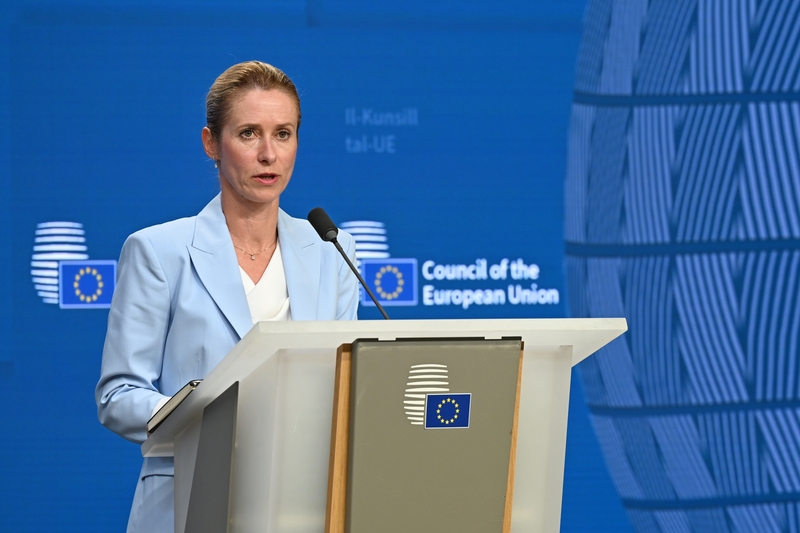
According to Bloomberg, Paula Pinior, the chief spokesperson of the European Commission, told reporters in Brussels that the Commission is evaluating China's export control measures. It will communicate with member states and affected companies to assess their impact, and then seek clarification from China.
This confrontational move marks another escalation in the tense relations between China and Europe.
Brussels falsely accused China of damaging the EU economy through its trade practices, claiming that these practices caused significant trade imbalances and weakened European domestic industries.
In response, Beijing criticized the EU's latest policies that restrict Chinese investment in certain key sectors, and condemned the proposed "Industrial Accelerated Act" by the EU as protektionist and contrary to World Trade Organization rules.
However, despite the escalating tensions, both China and Europe have set October as a deadline, aiming to make progress on trade disagreements and establish a joint platform to monitor trade flows between the two sides.