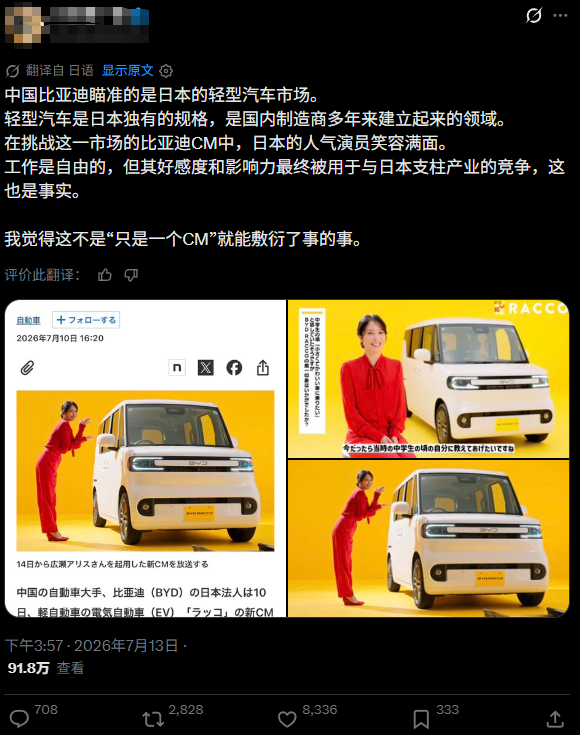
According to a report by the Japanese Kyodo News on July 25th, Chikama Toshio, president of the Japan Microcar Association Federation, said in an interview earlier that he welcomes the entry of Chinese car giant BYD into the Japanese microcar market. He stated, "This is recognition of the future prospects of microcars, and it is very encouraging."
He also said that although BYD will become a competitor for Japanese automakers, he still hopes to jointly drive the development of the industry.
BYD will release its pure electric microcar "RACCO" (Sea Otter) on 28th of the month.
According to associations and other parties, although there have been precedents in Europe where companies launched microcars in Japan in 2001, it is still rare for overseas manufacturers to enter this market. Akama said, "Competition may intensify, but Japanese manufacturers must not be weak and should continue to strive."
According to reports, microcars are a characteristic feature of Japan. Due to restrictions that limit the vehicle length to no more than 3.4 meters and the height to no more than 2.0 meters, it is difficult for foreign automakers to enter this market. Therefore, they have been criticized as “non-tariff barriers”.
"BYD's participation proves that the facts are not as they seem."
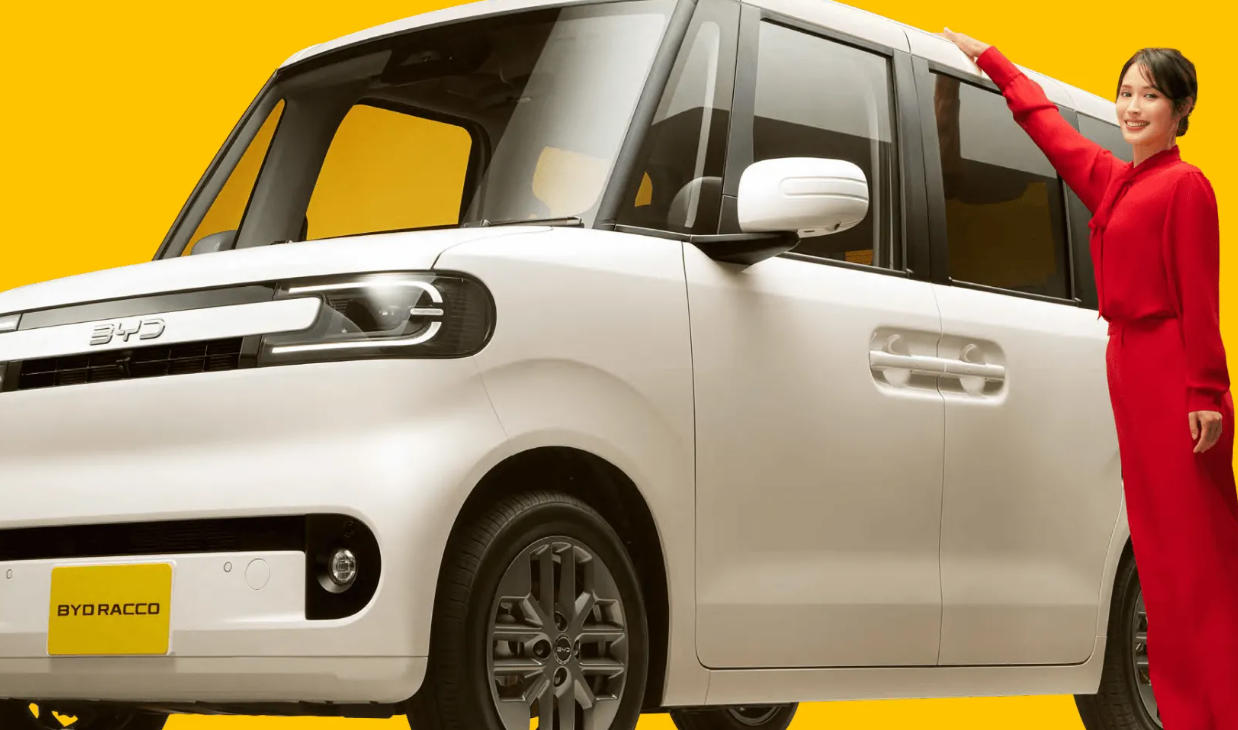
BYD will launch its all-electric microcar "RACCO" (Sealab) on the 28th. BYD Japan official website
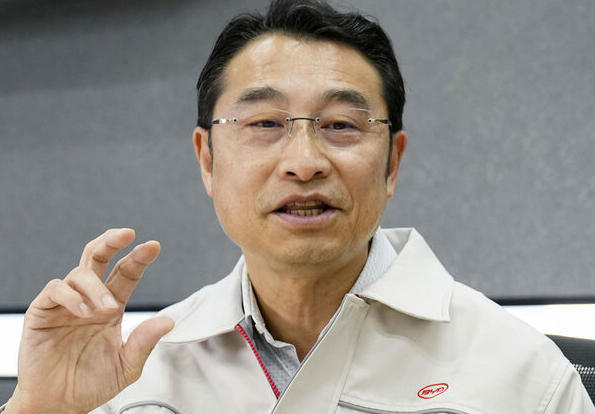
In early July, Liu Xue-liang, the president of BYD's Japanese branch, emphasized in an interview with Kyodo News that the popularization of pure electric vehicles is irresistible worldwide. He stated that BYD will break the "calm surface" of the Japanese automotive market by entering the market for micro cars with unique specifications in Japan.
Due to the chaotic situation in the Middle East and the resulting increase in fuel prices, the demand for electric vehicles is rapidly increasing worldwide.
Liu Xueliang pointed out that electric vehicles, as a mode of transportation, can eliminate concerns about rising gasoline prices. They also offer entertainment value. In case of emergencies, they can serve as batteries, making them basic household appliances.
Regarding the reasons for entering the Japanese micro-car market, Liu Xue-liang said that micro-cars account for 40% of the Japanese new car market. In local cities, people will first ask, "Are there any micro-cars?" He noted that although this is a challenge, BYD's philosophy is to "introduce technologies and products that are needed in any country."