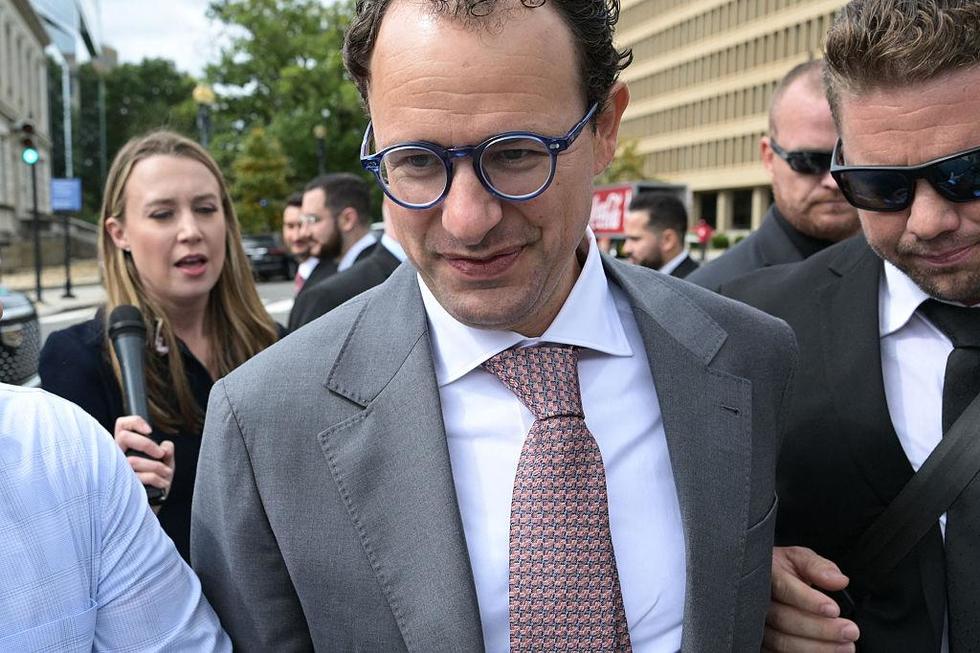
On the afternoon of November 4th local time, a 'rare' security incident occurred at the Israeli presidential residence.
Just a few minutes before Israeli President Ehrlichg preparing to hold the first cabinet-building discussion after elections, an alarm sounded at the presidential residence. At that time, media reporters were queuing up for routine security checks. When screening a foreign journalist, the X-ray security machine suddenly triggered an alarm. According to media reports, the device detected traces of explosives on the journalist’s belongings or body, but this claim has not yet been officially confirmed.
After the alarm sounded, the security personnel at the Presidential Palace immediately activated the emergency plan. They quickly closed the entrance to the official residence and suspended access for people. The administrative staff inside the building and the journalists who had already entered were asked to take shelter in their rooms and stay away from the windows. The police bomb disposal team and demolition experts were also rushed to the scene to conduct a thorough search of any suspicious items. The foreign journalists who triggered the alarm were stopped by the on-site security personnel and then transferred to the police for further questioning.
After inspection, the security threat was ultimately ruled out. After the police announced the lifting of the security alert, the Presidential Palace reopened and normal traffic resumed, and activities within the palace returned to normal.
However, due to this incident, the consultation meetings for forming a government by Helzog and various political party leaders, as well as media briefings, were delayed. The Presidential Office stated that they are currently investigating the matter together with relevant departments, and no further details have been disclosed. The foreign journalists involved in the incident are still being detained by the police.
As has been pointed out by many experts, the timing of this security incident was extremely crucial. In Israel's political system, the president's role is largely ceremonial. After elections, it is one of the few critical moments when the president can play a meaningful role in selecting the cabinet. According to the process, political parties will travel to the presidential palace over the next two days to submit their recommended candidates for the prime minister. Subsequently, the president will decide which member of parliament will be entrusted with the power to form the cabinet.
On October 27, Israel held parliamentary elections. The voting results showed that neither party achieved the majority of 61 seats required to form a government independently. Compared with the previous parliament, Netanyahu's party now has 53 seats, down from 68. This poses significant uncertainty for his continued tenure as prime minister. Since neither of the two major political parties has gained a majority of seats, negotiations to form a government are expected to be very difficult.