No need to go out, no need to burn incense; you can worship Buddha and strike the wooden fish on the web page, and even complete '108 prayers'. A unemployed young man in South Korea has become a popular online destination by using AI to create a virtual temple.
This online temple named "Sansa" has become extremely popular since its opening on October 26th. In less than a week, the number of visitors has exceeded one million.
Entering this virtual temple, what catches your eye is a Buddhist hall surrounded by green trees and a huge Buddha statue. Users can manipulate a virtual character resembling a young monk to make gestures like hands clasped together in worship or kneeling. They can also use the mouse to strike the wooden fish, move the prayer beads, or listen to the chanting of scriptures.
The developer of this temple is 26-year-old South Korean youth Park Jin-won. He majored in English literature in college and is currently looking for a job. He admitted that sometimes he wanted to rest in the temple, but during his job search, he had neither the time nor the energy to make a special trip there. So, using AI programming tools, he simply created a temple online.
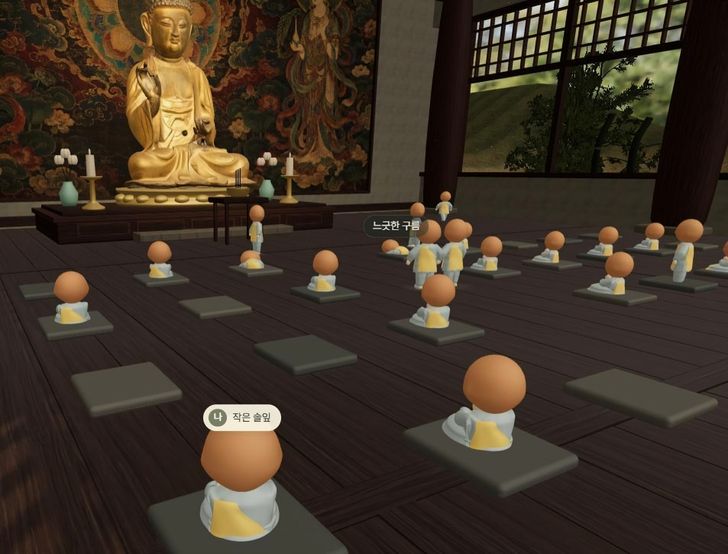
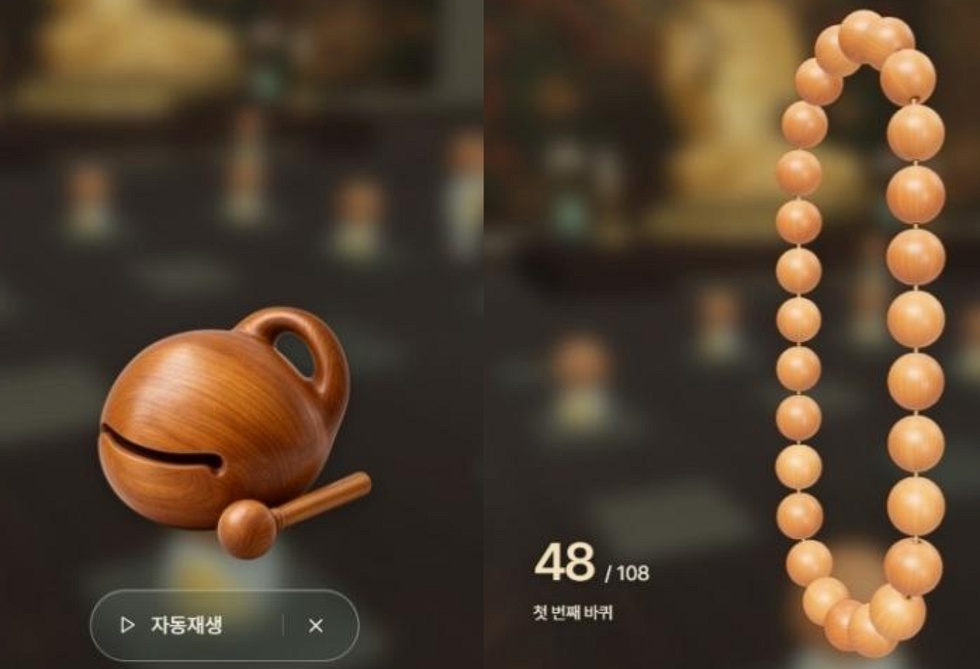
Game screenshot released on the official game website
Originally, it was just a space for myself, but I never expected so many visitors would come.
On the first day of the website's opening, more than 10,000 people visited it, and the server quickly became overwhelmed. As more tourists continued to arrive, there were even scenes where people had to line up to enter the temple.
Park Jin-won had to expand the capacity repeatedly. She increased the number of meditation cushions from just 20 to 10,000, and also set up 100 Buddha halls that can each accommodate 100 people. Even so, during peak hours, the places were still full.
The popularity of "mountain temples" has also sparked a craze for virtual space development. Online, virtual churches, airplane cabins, saunas, hot springs, camping sites, and even coal mines have emerged one after another. Netizens can experience various activities from the comfort of their homes.
Regarding his unexpected fame, Park Jin-won reflected that it was only when he saw so many people flooding in that he realized there were many others who were as tired as him. It seemed that everyone needed a place where they could rest quietly without having to talk.
Seong Hae-young, a professor of religious studies at Seoul University, believes that in the face of uncertainties and pressures in life, Korean young people are seeking new forms of spiritual comfort. Online temples create a relatively relaxed atmosphere that has a certain appeal for young people.