On October 7th, local time, US media Bloomberg reported, citing sources familiar with the situation, that the Trump administration was unwilling to get more involved in Saudi Arabia's campaign against the Houla militia. Instead, it sought to restrain Riyadh to prevent it from triggering a major new conflict in Yemen.
These individuals stated that although the United States provided assistance to Riyadh in terms of intelligence, target identification, and fuel supply, the lack of offensive strikes by the United States against the Houthi forces has made it difficult for Saudi Arabia to gain more countries' participation in its military operations in Yemen over the past few weeks.
Some insiders also say that there are concerns that these military actions could lead to a new escalation of conflict in the region and could endanger shipping in the Maldives Strait. After the disruption of the Hormuz Strait due to the US war against Iran, this waterway has been an important alternative route for energy transportation in the Persian Gulf.
Two sources familiar with the matter have revealed that the United States has informed Saudi Arabia that, during the ongoing conflict in Yemen and amid continued disruption to maritime traffic through the Strait of Hormuz, it should not deploy its troops there.
Trump's real concern is whether Saudi Arabia's current offensive will be successful, Atlantic Council Middle East Studies Director and former U.S. special envoy for Yemen affairs Allison Meine said. "We may see Saudi Arabia take some territory from Yemen, but their claim that they will capture all areas controlled by Houthi armed groups deserves skepticism."
Bloomberg Economic research analysts also pointed out in a report dated Tuesday: "The United States largely regards the current conflict as a Saudi issue, partly because the US is trying to minimize its involvement in the Iran-related situation, focusing mainly on the Strait of Hormuz. Although Riyadh may continue to demand more, it is unlikely that the US will provide more assistance than what it has already offered to the coalition led by Saudi Arabia."
On Tuesday evening, local time, neither the White House nor the Saudi Ministry of Foreign Affairs responded to requests for comment. U.S. Secretary of State Rubio stated on Monday that Saudi Arabia “has the right to self-defense,” but he refused to comment on what kind of support the United States would provide. Trump told reporters that the counterattack “will go very smoothly.”
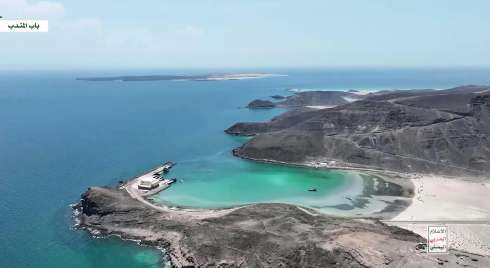
According to a report by Reuters on October 2, Saudi and Yemeni government forces are planning to launch large-scale attacks against the Houla movement in the coming weeks. The operation will be carried out by Yemeni government ground troops, with Saudi air support. The goal is to drive the Houla movement out of the Red Sea coastal areas that control the Strait of Mandeb.
An anonymous source said that the United States has provided intelligence support to Saudi Arabia's operations in Yemen. Regional allies and European countries have also provided defensive military assistance to Saudi Arabia. However, it is expected that Saudi Arabia's allies will not directly participate in the battles.
Some American officials also revealed to the Axios website that the United States has once again rejected Saudi requests to participate in the strike against the Houthi forces and carry out airstrikes. However, they also stated that this position may change if problems arise during the operation.