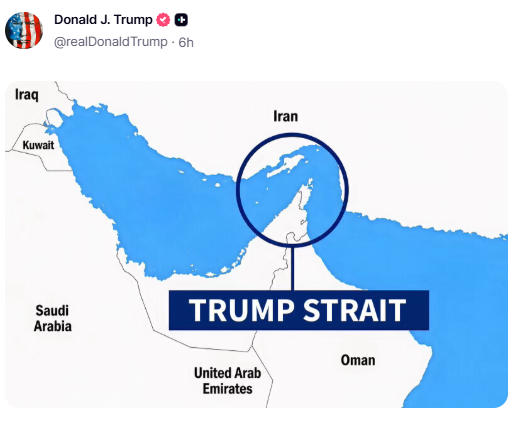
During the 81st United Nations General Assembly, Iran proposed a “seven-day ceasefire roadmap” plan. According to this proposal, Iran promised to reopen the Strait of Hormuz within seven days and resume nuclear negotiations, provided that the US lifted the maritime blockade that is causing severe economic damage to Iranian ports.
However, U.S. President Donald Trump rejected this cease-fire proposal. According to a report by The Wall Street Journal on September 25th, several anonymous U.S. officials revealed that although Trump publicly stated that Tehran was “begting for an agreement,” he privately remained skeptical about whether Iran would truly meet all of its hard demands regarding the nuclear program. He told his advisors that military bombing operations against Iran were expected to resume after the mid-term elections in November.
Officials also said that as the war continues in the coming weeks, Trump's position may change at any time, and it could also be influenced by the results of the midterm elections.
It is also currently impossible to determine the scale of the airstrikes that Trump is considering. Officials say he is reluctant to resume large-scale combat operations, partly because the United States wants to keep its dwindling ammunition reserves for other emergencies.
Trump stated this week at the United Nations that he would not consider political factors when attempting to "steal nuclear fuel" from Iran.
The Republican party is currently campaigning, and I will help them. But I will not run for office myself. On the Iranian issue, I absolutely have no or will not give any consideration during the entire election period,” he said at the United Nations General Assembly in New York. “What's most important is that Iran will never acquire nuclear weapons.”
An American official stated that Washington and Tehran are still negotiating through mediators, including regarding nuclear issues. The official also said that efforts led by the United States to ensure the passage of oil tankers through the Strait of Hormuz have reduced the urgency of reaching an agreement.
According to reports, Qatar and other mediation parties have been working hard to resume negotiations between Iran and the United States during the United Nations General Assembly. Sources familiar with the situation revealed that at a meeting held in Qatar on Sunday, Iran proposed a “7-day ceasefire.” This proposal included demands for the United States to lift naval blockades, unfreeze some Iranian assets, and remove sanctions on Iranian oil exports. In exchange, Iran would open the Strait of Hormuz and begin negotiations regarding its nuclear program.
But according to informed officials, the United States has informed Iran and the mediators that Trump has no intention of lifting the maritime embargo. The US believes that economic pressure will eventually force Tehran to sign an agreement that benefits Washington and its Arab allies.
Arabic mediation parties mentioned that Iranian diplomats had proposed several plans to end the war, and acknowledged the worsening economic crisis in the country. However, the Islamic Revolutionary Guard Corps of Iran stated that it would not consider any new agreement proposals and was prepared for a long-term conflict.
The Revolutionary Guard hopes to return to a position closer to the preliminary terms of the agreement reached between Trump and Iran in June. The agreement promised to ease sanctions on oil sales, allow Iran to use its frozen assets, and recognize Tehran’s role in managing the Strait of Hormuz in exchange for Iran opening the strait.