Nigeria has oil, and that has never been news.
This oil-producing country in Africa has for many years carried crude oil on ships and waited for foreign gasoline to arrive at its shores.
According to data from the U.S. Energy Information Administration (EIA), in 2024, Nigeria exported approximately 1.3 million barrels of crude oil and condensate per day, with about 620,000 barrels going to Europe. Meanwhile, ships carrying gasoline and diesel continue to arrive at the ports. From 2020 to 2024, Nigeria imported approximately 376,000 barrels of petroleum products per day, with nearly 90% of these being fuels.
Crude oil is exported, and refined products are brought back. This has been the case for many years. Europe has also become an important source of gasoline in Nigeria. Reuters estimates that this trade once reached about $17 billion per year.
In Nigeria, a large amount of refined oil still needs to be transported inland using road tank trucks. Accidents involving these tank trucks are not uncommon in local news reports.
In October 2024, an oil tanker in Jigawa State lost control and overturned. After gasoline leaked, many residents rushed to collect it. Subsequently, the vehicle exploded, resulting in 147 deaths.
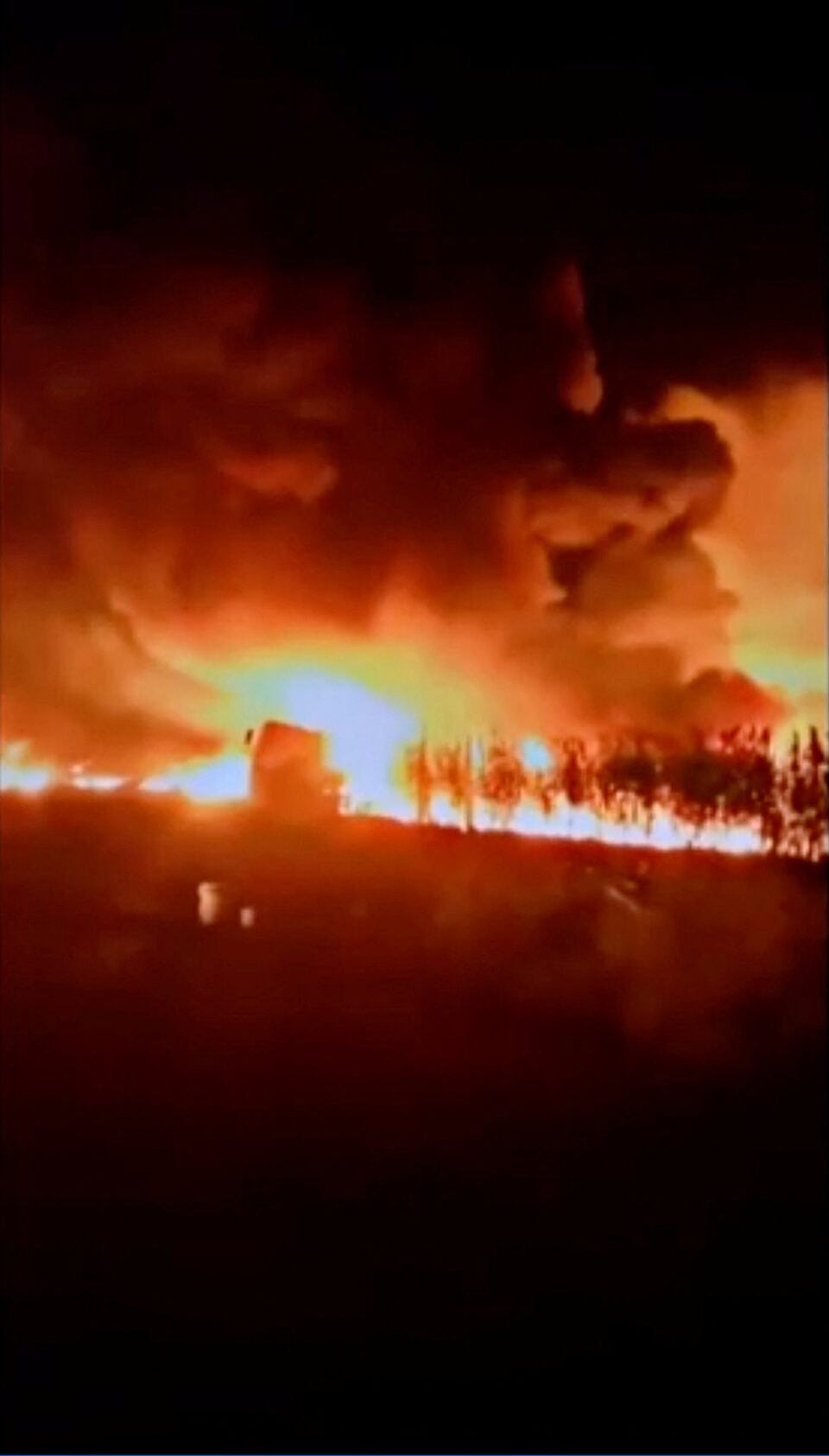
In October 2024, an oil tanker in Jiga State overturned due to a loss of control.
In less than three months, another accident occurred in Dioko, Niger State. An oil tanker overturned, and residents rushed to collect gasoline from it. Subsequently, an explosion occurred, resulting in 86 deaths and 55 injuries.
According to statistics from the Nigerian Federal Road Safety Commission, in 2024 alone, 411 people died after accidents involving oil tankers while collecting leaked fuel, which accounted for 7.6% of the total number of road traffic deaths in that year.
In Nigeria, there is another type of accident. There has been a long-standing problem of oil theft and illegal refining. Some crude oil is stolen from pipelines and then refined into fuel using rudimentary equipment. In 2022, an illegal refinery in the region exploded, resulting in over 100 deaths.
Nigeria can sell crude oil overseas, but it has never had sufficient domestic refining capacity. As a major oil-producing country, Nigeria has long been an important global market for gasoline imports.
However, this year is different.
In the second quarter of this year, Nigeria exported approximately 130,000 barrels of petroleum products to Europe per day on average. In 2023, this number was only 15,000 barrels.
Among them, one category is growing rapidly: aviation fuel.
According to Reuters report on September 15th, in the second quarter of this year, Europe imported approximately 80,000 barrels of kerosene per day from Dangote refinery in Nigeria. After the disruption in Middle Eastern supplies, this oil filled about 13% of Europe’s related supply gaps.
In terms of individual refineries, Dangote has become an important source of aviation fuel in Europe. In terms of countries, Nigeria's supply is second only to the United States.
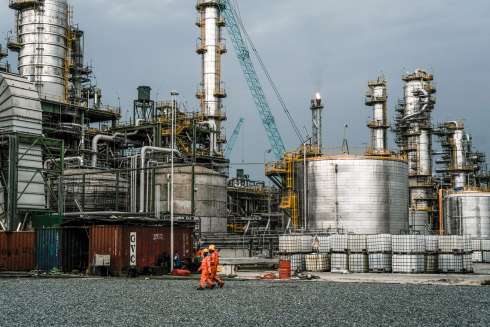
Nigeria's Dangote Refinery
In 2023, Nigeria still imported nearly 400,000 barrels of petroleum products by sea every day. In the second quarter of this year, imports dropped to less than 130,000 barrels. In 2023, Nigeria’s average daily shipment of petroleum products by sea was only 79,000 barrels. In the second quarter of this year, this number increased to 561,000 barrels, of which approximately 350,000 barrels were directly exported.
LAGOS suburbs' Dangote Refinery has been the most transformed source in recent years.
The refinery will be officially commissioned in 2024, costing approximately $20 billion and taking ten years to build. Currently, its crude oil processing capacity is about 700,000 barrels per day, making it the largest refinery in Africa.
In 2024, Nigeria’s gasoline imports remained at about 400,000 barrels per day. This year, the figure has dropped to about 830,000 barrels per day. Dangote’s own daily production of gasoline reached about 270,000 to 300,000 barrels.
Just as the refinery’s production was increasing, there were problems with the supply from the Middle East.
The transportation through the Hormuz Strait has been blocked, resulting in a decline in the export of diesel fuel and aviation fuel from the Middle East. It has become difficult for Europe to obtain large amounts of refined oil products from the Gulf region, and inventories at several major oil trading centers in northwestern Europe have also begun to decline.
In recent years, many old refineries in Europe have either closed down or reduced their traditional refining operations. Refineries such as the German Wessling refinery, the British Granjemoos refinery, and the Italian Livorno refinery have successively stopped or reduced their traditional crude oil processing activities. The crude oil processing capacity involved in these refineries alone exceeds 400,000 barrels per day.
There are fewer refineries, but the demand for aviation fuel and diesel remains high.
When supplies from the Middle East are normal, Europe can replenish its stocks from the Gulf region. After the obstruction in the Strait of Hormuz, suppliers have no choice but to expand their procurement areas further.
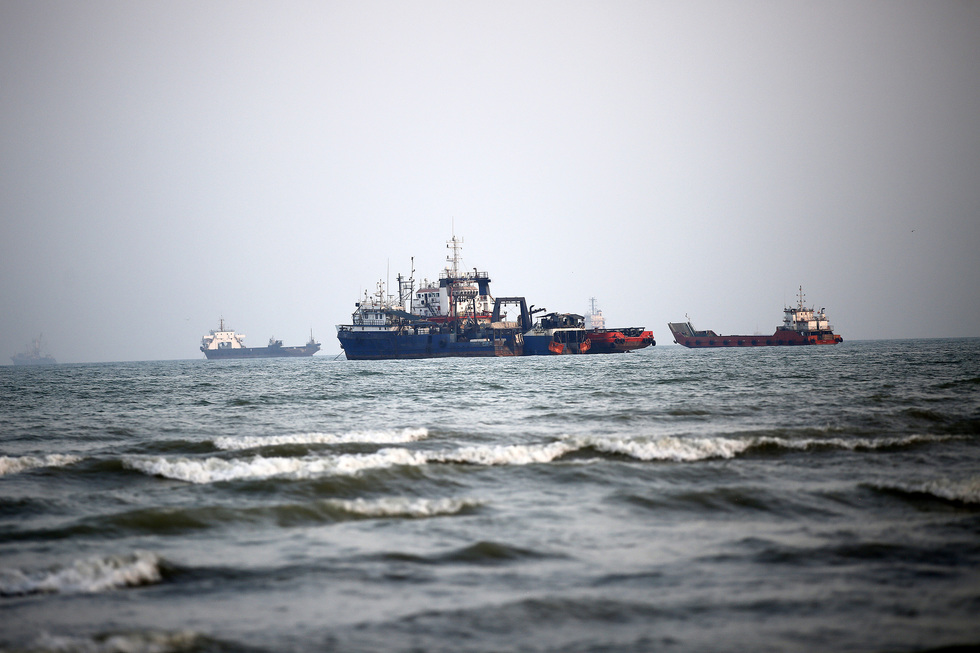
Merchants still anchor in the Hormuz Strait. Visual China.
The United States, Canada, and South Korea are all increasing their supplies. West Africa is also starting to make its way onto the list of buyers for European aviation coal.
According to statistics from the International Energy Agency this year, after the disruption in the supply of oil from Gulf of Hormuz, West African export volumes of aviation fuel once approached twice the average level of the previous three months. The main increase came from the country of Dangote.
By September, the European aviation coal market was still tight.
Based in London, the energy market research firm Energy Aspects predicts that there will still be a shortage of approximately 510,000 barrels per day of aviation fuel in Europe during the fourth quarter of this year. The inventory of aviation fuel in the Amsterdam-Rotterdam-Antwerp region has dropped to its lowest level in seven years.
In September, South Korea shipped about 129,000 barrels of kerosene per day to Europe, reaching a high level in nearly four years. The United States and Canada are also increasing their supplies. Nigeria is also involved in this process.
Danget suffered a net loss of $476 million throughout last year. In the first half of this year, revenue exceeded $13 billion, and net profit reached $1.82 billion.
After the shortage in the supply of aviation fuel and diesel, refining profits increased, and European buyers are searching for goods around the world. Dangett just started increasing its production capacity, and now it has encountered this market opportunity.
In September, Dan Gert launched an IPO, planning to issue approximately 4.1 billion shares, raising about $1.6 billion. The value of the refinery is estimated to be close to $48 billion.
Danget also plans to increase the production capacity of the refinery from the current approximately 700,000 barrels per day to 1.4 million barrels per day. To this end, Danget has signed an order for XCMG equipment worth $400 million this year.
However, the supply of crude oil from Dan Gert has not yet been fully resolved. CEO David Bird said in August this year that currently, about 30% to 40% of the crude oil used by refineries is still imported from abroad. The United States, Guyana, and other African countries are supplying this oil.
Some Nigerian crude oil has been locked in arrangements for mortgage loans and pre-sale financing. Dangote has also complained that domestic crude oil is priced according to international benchmarks, and when various costs are taken into account, it is sometimes not cheaper than imported oil.
So an unusual situation occurred: Nigeria has begun selling kerosene and diesel to Europe, while Africa’s largest refineries still purchase crude oil from the United States and other places.
But compared to a few years ago, the direction of oil entering and leaving Nigerian ports has clearly changed.
In the past, Europe was an important source of gasoline for Nigeria; now, Europe’s own refining capacity has diminished, and the supply from the Middle East has been disrupted. Jet fuel and diesel from Dagestan are beginning to enter the European market.
Several years ago, European oil tankers that continuously sailed towards Nigeria were decreasing in number. Now, more and more ships carrying fuel refined in Nigeria are heading towards Europe.