According to CCTV reports, on September 7, Foreign Ministry spokesperson Mao Ning presided over a regular press conference. A reporter from the station asked: We have noticed that a delegation from the Organization for the Prohibition of Chemical Weapons was invited to visit China to inspect the facilities for dealing with chemical weapons left over from the war. Could the spokesperson provide more information on this matter?
Mao Ning stated that from August 31 to September 5, the Director General of the Organization for the Prohibition of Chemical Weapons and the Chairman of the Executive Council, along with representatives from 12 countries and senior diplomats, were invited to visit China. During this period, they visited places such as Huerchen, Dunhua, and Halbaling in Jilin to inspect the sites where chemical weapons remnants were excavated, recovered, and destroyed.
Mao Ning pointed out that this visit coincides with the anniversary of the victory of the Chinese People's War of Resistance against Japan and the World Anti-Fascist War. In those years, Japanese militarism invaded China, causing severe humanitarian disasters and leaving behind the legacy of Japanese chemical weapons as a historical threat. Through this visit, all parties have further recognized the serious harm that Japanese chemical weapons have caused to the lives, property of the Chinese people, and the ecological environment. They support the OPCW in adhering to the provisions of the Chemical Weapons Convention, urging Japan to fulfill its obligations as soon as possible, completely and thoroughly destroying the chemical weapons left in China, and returning a clean and safe environment to the Chinese people. This would help achieve the noble goal of a “chemical weapon-free world” proposed by the convention.
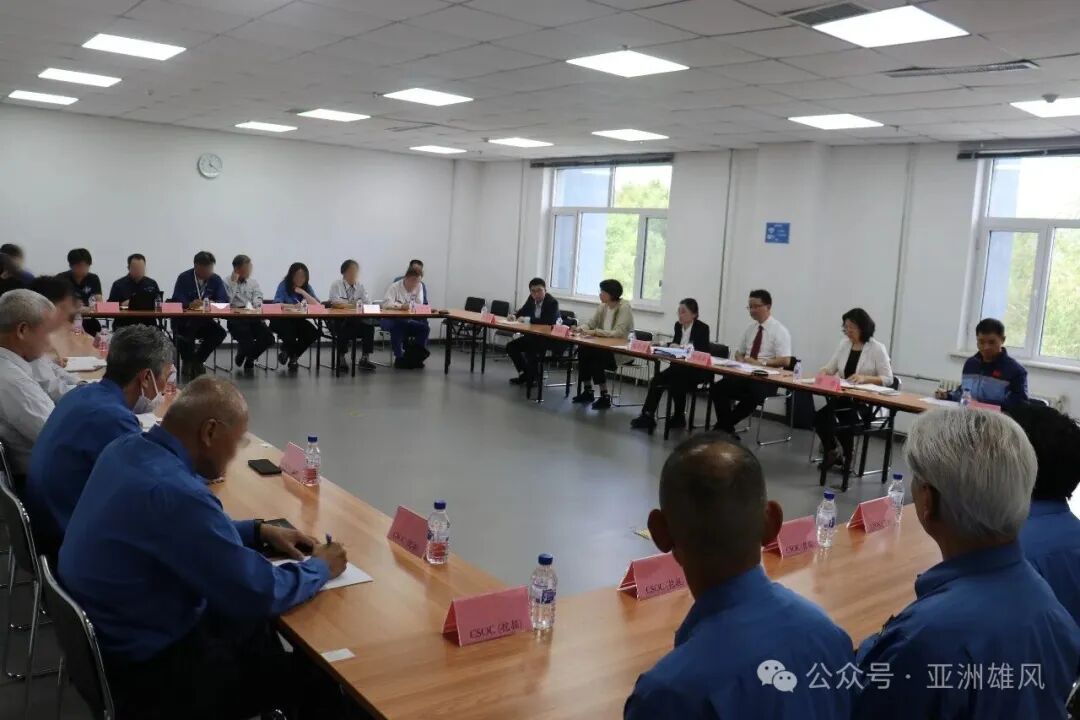
According to the WeChat public account 'Asian Heroes' of the Asia Department of the Ministry of Foreign Affairs, on July 26, Liu Jinsong, then Director of the Asia Department, went to Dunhua City, Jilin Province to supervise the handling of Japanese wartime chemical weapons at Halba Ling. He urged the Japanese side to increase investment in all aspects and accelerate the process of dealing with Japanese wartime chemical weapons.
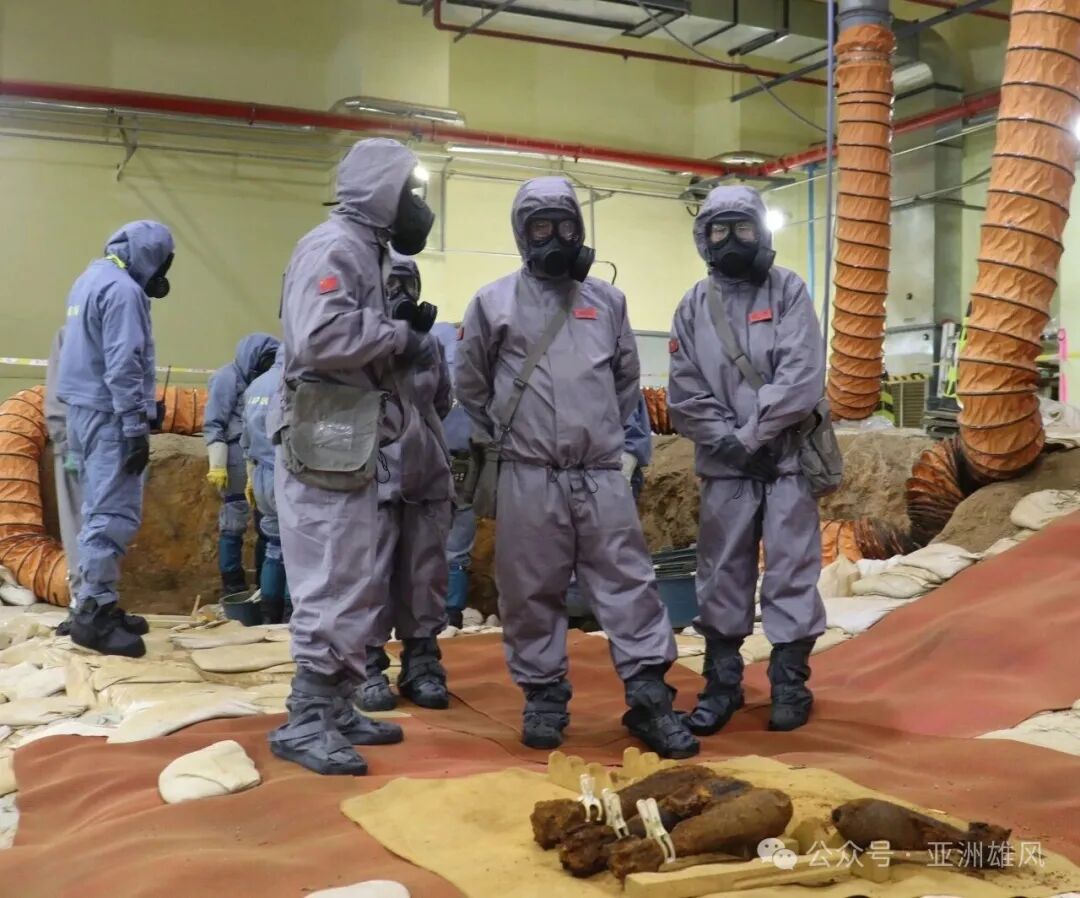
Liu Jinsong inspected the operations related to the excavation, recovery, and destruction of Japanese chemical weapons on the ground, and reviewed the safety management measures. During a meeting with the Japanese representatives responsible for the operations, Liu Jinsong emphasized that Japanese chemical weapons are serious crimes committed by Japanese militarism during the war against China. Japan should fulfill its obligations under international conventions and bilateral agreements, provide China with information on effective methods for storing Japanese chemical weapons, increase investment, accelerate the entire process of disposal, and remove Japanese chemical weapons as soon as possible to restore a clean environment for the Chinese people. The Japanese side expressed their commitment to addressing China's concerns and promised to safely and efficiently carry out the operations related to Japanese chemical weapons. On the 25th, Liu Jinsong and his team visited Qiqihar City in Heilongjiang Province to investigate the exhibition of artifacts proving Japan's crimes during the war against China at the city museum, as well as the former location of the 516th Japanese unit involved in the war against China.