According to the American CBS network, Jim Meese, the Democratic chairman of the House Intelligence Committee and a federal congressman from Connecticut, delivered a severe criticism on June 7 regarding President Trump’s appointment of Bill Purtscher as acting director of the National Intelligence Agency.
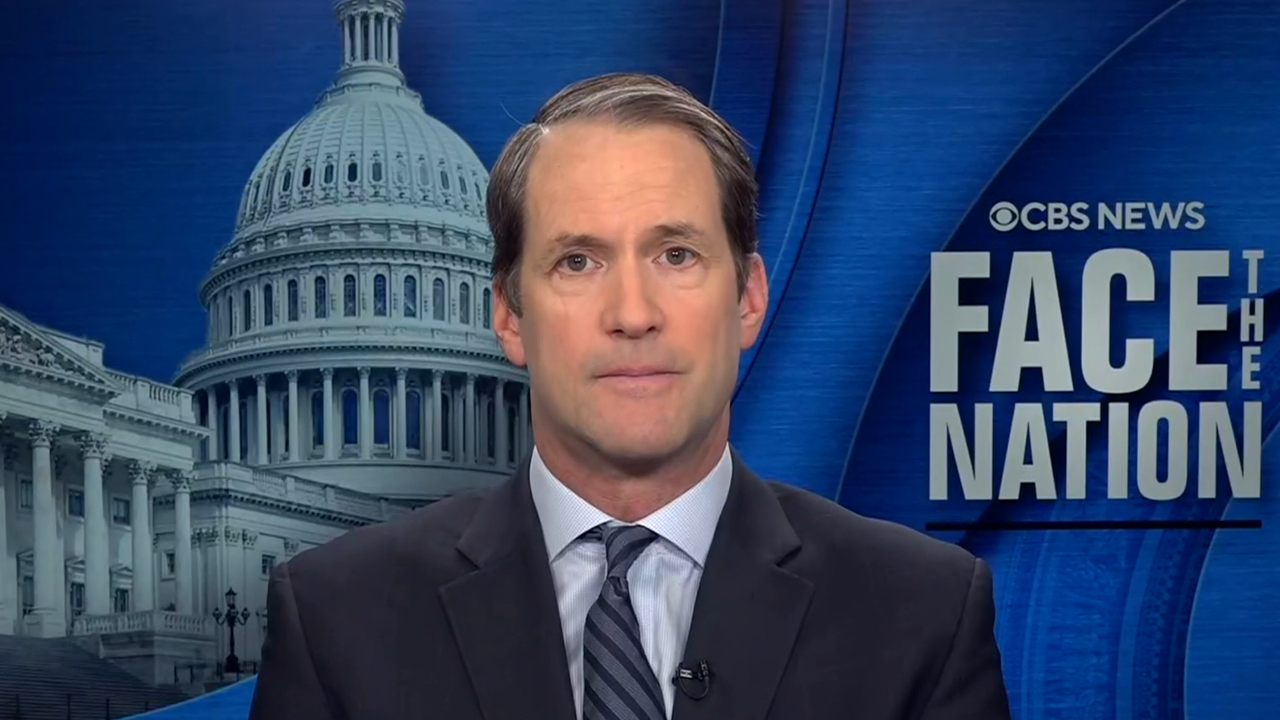
Program Screenshots
Himes said in an interview with a CBS news program: "This person has no experience in matters related to national security, yet the president has placed him in this most sensitive position."
"In Trump's series of disastrous appointments, this one is arguably the worst and most dangerous." Himes stated.
Reports state that Section 702 of the USA Foreign Intelligence Surveillance Act will officially expire on June 12. President Pritz’s appointment may lead to the non-renewal of this section.
Himes said, “Trump has always been reluctant to back down from his promises. But if the intelligence collection powers under Section 702 are revoked, and this leads to a ‘terrorist attack’, the consequences will definitely be something he doesn’t want to see.”
Himes said that this appointment comes at a sensitive moment before the deadline for renewing the bill. Congress has already passed short-term extensions twice, and Pult's appointment has completely stalled the official renewal of the bill.
In my impression, this personnel appointment is the worst in the history of intelligence circles, and choosing to appoint people at this particular time only makes it worse beyond words,” he said. “With Pitt's term nearing its end, it's practically impossible to push through any related legislation.”
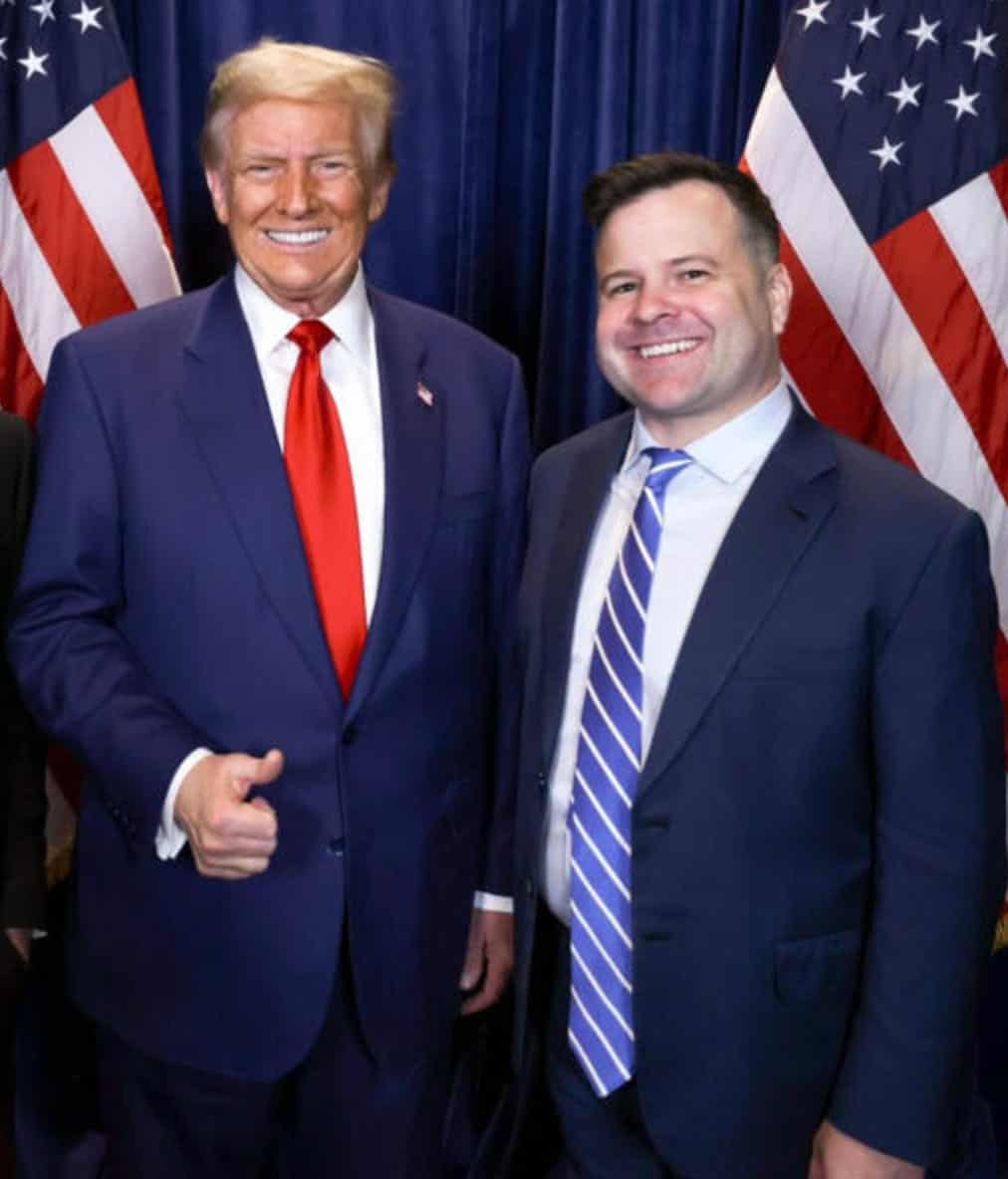
Purt and Trump Washington Reporter
Trump previously appointed Purtell as acting director of the National Intelligence Agency on the 2nd, to replace Tulsi Gabbard, who announced her resignation earlier. Gabbard’s resignation will take effect on June 30. Trump stated that while serving as acting director of the National Intelligence Agency, Purtell will also continue to serve as the director of the Federal Housing Finance Agency and the chairman of the boards of Fannie Mae and Freddie Mac.
According to US media reports, 38-year-old Pult is a "loyal supporter" of Trump. As the heir of the renowned American real estate development company Pult Group, Pult was appointed as the director of the U.S. Federal Housing Finance Agency in March 2025. He also oversees two major mortgage giants, Freddie Mac and Fannie Mae. However, he has no background in national security or intelligence work. Therefore, his appointment has been questioned by representatives from both parties in the U.S. Congress.
In April this year, the U.S. House of Representatives voted to extend Section 702 for three years. At that time, 42 Democratic members voted in favor of the bill. However, the bill stalled in the Senate due to an additional clause that had nothing to do with the original legislation. This additional clause was intended to prevent the Federal Reserve from launching central bank digital currencies.
When discussing the impact of Purte’s appointment on the Democratic voting intentions, Himes said: “It is certain that at least half of the Democratic lawmakers who voted in favor of this decision will change their stance now.”
He believes that the only solution at present is for Trump to admit human error, withdraw his appointment of Purte, and choose another candidate. Only in this way can the Democrats, and indeed all members of Congress, regain trust. However, Himes said he doesn’t have much hope for this to happen.
Last week, due to concerns about unauthorized monitoring of citizens within the country, the Senate once again rejected the proposal to extend Article 702.
The U.S. Foreign Intelligence Surveillance Act’s ‘Section 702’ allows U.S. intelligence agencies to intercept communication from ‘foreign targets’ without court approval, including phone calls, text messages, and Internet communications. In April 2024, Section 702 was extended by the U.S. Congress. Over the following two years, U.S. intelligence agencies not only maintained their power but also received increased budgets and expanded the scope of surveillance they conducted.