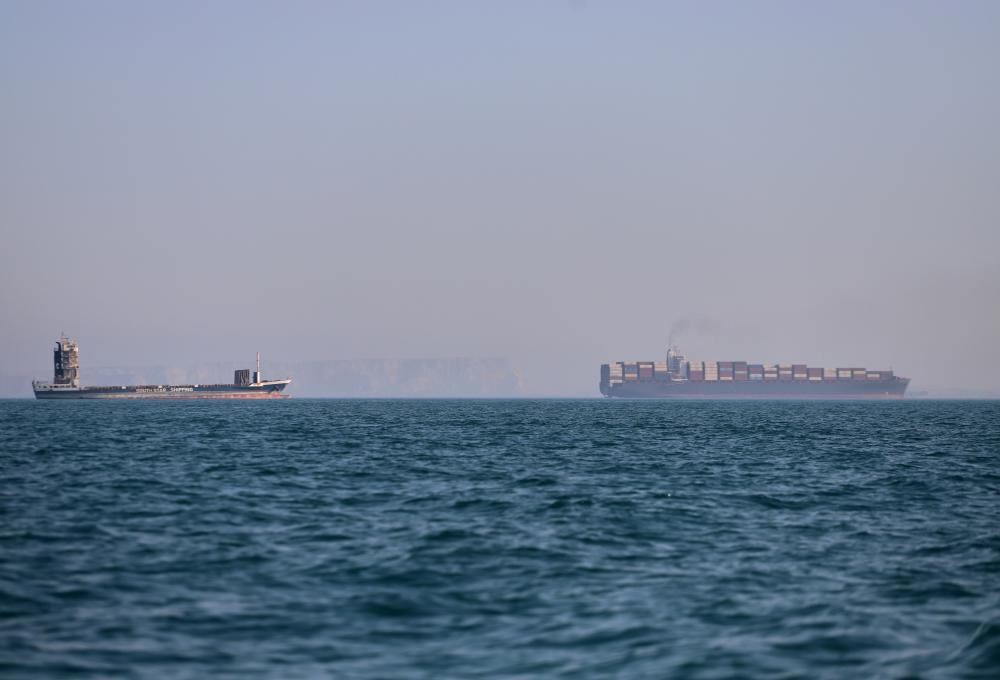
According to Reuters, on June 8 local time, the Russian newspaper 'Vzglyad' published an interview with Iran's ambassador to Russia, Kazem Qaraliy. Qaraliy stated that the Hormuz Strait would be opened, but a transit fee would be required.
In the interview, Jalaali said, "Of course, the Strait of Hormuz will be opened, but the Iranian and Omani governments will decide the new conditions."
He said, “Iran and Oman provide certain services related to this strait, and these services will be charged.” However, he did not provide details.
Iran states that the permanent peace agreement should allow it to charge fees for ships passing through the Strait of Hormuz. The fees will vary depending on the type of ship, the cargo, and the circumstances at the time of passage.
Regarding this, U.S. President Donald Trump strongly opposed it. In late May, Trump warned Oman not to reach any agreement with Iran to jointly control the Strait of Hormuz, otherwise the country would face U.S. bombing. However, shortly after making the threat, Trump said he did not believe that the United States had to take such action.
American Treasury Secretary Bennet said that the Ambassador of Oman to the US assured him that Oman has no plans to charge fees.
On June 7 local time, Iran's Vice President and Director General of the Environmental Protection Agency, Sheikh Hossein Ansari, stated that Iran has initiated the process of establishing regulations for environmental service fees in the Strait of Hormuz. The preliminary draft has been completed recently, but the fee standards and specific collection mechanisms have not yet been finalized.