Iceland recently held a referendum to vote on whether to resume negotiations to join the EU. According to a report by Iceland's national broadcaster on August 30, the final voting results showed that 47.2% of voters agreed with the decision, while 52.8% were against it. The majority of voters opposed the resumption of negotiations to join the EU. The Icelandic government has promised to respect the results of the referendum and will not advance any negotiations during its term in office.
Over 81% of Iceland's voters participated in this referendum. Data released by Iceland's authorities showed that there were 118,040 votes against the proposal, and 105,339 votes in favor.
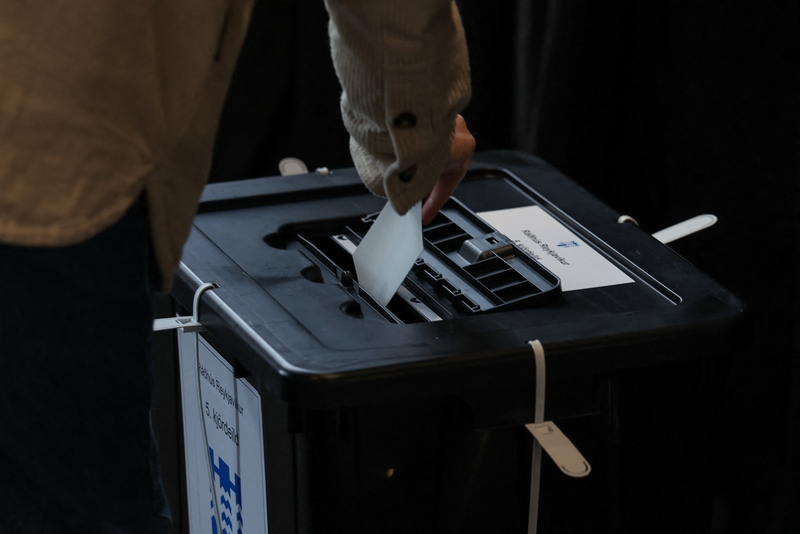
On August 29 local time, Iceland held a referendum. IC photo
After the official announcement of the referendum results, the Icelandic government held a press conference at the Hafaj Hall in Reykjavik, the capital. Iceland’s Prime Minister Fróðstæði Þorvaldur stated that the Icelandic government would respect and implement the referendum results. During the term of this government, negotiations to join the European Union will not be pursued further. The focus of the government’s next work will shift to domestic priorities.
However, Frostadottir also pointed out that most voters who cast their votes recognized Iceland's main connection to the European Economic Area through the EU. The government will further strengthen Iceland's position within the European Economic Area.
Iceland's Foreign Minister Gunnarsdóttir stated that joining the EU was never a goal, but a means, with the ultimate aim of bringing greater prosperity and stability to all Icelanders. She mentioned that the government has asked the Icelandic Parliament's Foreign Affairs Committee to hold a meeting to discuss future development directions.
In 2009, the financial crisis plunged Iceland into its worst economic recession since its independence in 1944. The country's major banks went bankrupt one after another, and Iceland submitted an application to join the European Union in hopes of gaining economic support from the EU. Negotiations to join the EU were suspended in 2013. After the Icelandic government is replaced at the end of 2024, it has promised to hold a referendum to decide whether to resume negotiations.
