(Text/Observer Network Guo Guanghao)
Cambodia's ongoing "major purge" of telecom fraud has been turning the knife against the government itself.
According to the Cambodian newspaper 'Kampong Chnam Rae', Tho Samnang, the former director-general of legal, consular and border affairs at the Cambodian Ministry of Foreign Affairs and International Cooperation, has been taken in for investigation by the Cambodian Anti-Corruption Agency (ACU) due to suspected involvement in online fraud crimes.
The chairman of the Anti-Corruption Bureau, Weng Rendian, confirmed on the evening of the 20th that the case involving Zhou Shunnan is under investigation. What is even more notable is a figure involved in the case: more than 6,000 visas.
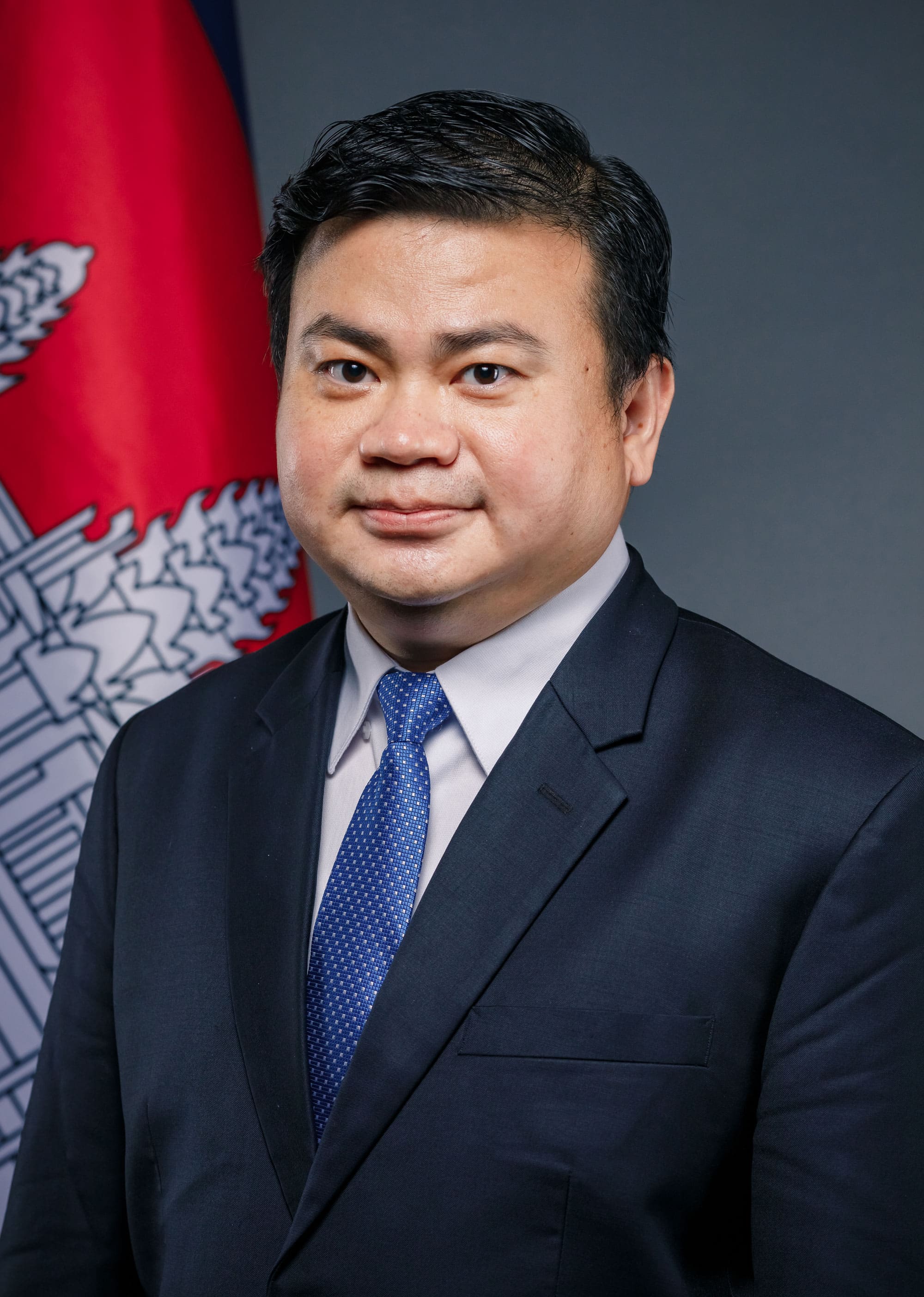
According to Weng Ren’an, Zhou Shunnan has confessed to having stolen and illegally used over 6,000 Class C ‘Courtesy Visas’ and CEX-type visas. Additionally, about 4,000 visas remain unknown where they are. Zhou Shunnan claims that he has destroyed these visas, but the Anti-Corruption Bureau is still verifying this claim. Investigations indicate that some of the illegally issued visas ended up in the hands of foreign online fraudsters. As for how the visas were leaked, how many fraudsters were involved, and whether there was any financial transactions behind this, the Cambodian authorities have not released any further information.
These visas are not ordinary tourist visas.
According to Cambodia's current visa system, the C-type 'favor visa' is primarily intended for non-immigrant foreigners who have been invited or guaranteed by relevant Cambodian agencies. It is possible to apply even with a regular passport, but it is usually necessary to provide invitation and guarantee documents from Cambodian agencies involved, and the visa fee is waived. CEX, however, is not another type of entry visa, but rather a category for extending the stay of holders of the C-type visa. In 2016, Cambodian regulations clearly stated that 'CEX' represents an extension of the C-type visa, with options for extensions of 1 month or 12 months.
This means that if the information disclosed by the Anti-Corruption Bureau is ultimately confirmed by law, the issue is not just about someone breaking regulations by ‘selling visas’. Instead, it involves a legal entry and residence channel that should have been strictly controlled by the government. This channel has been deliberately opened up, allowing fraudsters to enter Cambodia under legitimate identities and remain there for an extended period.
Zhou Shunnan has long been in charge of this critical point.
According to the official resume published by the Cambodian Ministry of Foreign Affairs, Tho Song Nam has served as the head of the Legal, Consular, and Border Affairs Department since 2018. In September 2019, he also attended the third round of Sino-Cambodian consular consultations as the Cambodian head of the department. One of the topics discussed during those consultations was 'effective measures to combat online gambling crimes'.
On April 28th this year, Zhou Shunnan was removed from his position as General Director and was appointed as a consultant in the Ministry of Foreign Affairs, with his rank and benefits remaining unchanged. At that time, it was not clear to the outside world why he suddenly resigned.
This investigation was quite sudden. On August 19th, his family initially reported him as "missing" to the police and made public efforts to find him. It was not until the Anti-Corruption Bureau clarified the situation that the public learned that he had actually been taken away for investigation according to the law.
Zhou Shunnan is not the first Cambodian official who has fallen due to issues related to electrical fraud this year.
At the end of February, the Anti-Corruption Bureau arrested Mao Sansona, the deputy director of the Customs Gop Province Branch. Investigators claim that he was suspected of receiving illegal payments worth over $1 million between 2024 and 2026. The case led to the discovery of a cyber fraud syndicate: Mao Sansona was said to have communicated with Chinese nationals and agreed to help deliver equipment related to cyber fraud activities, including about 7,000 mobile phones and 200 computers, to the border city of Pochet in Cambodia and Thailand. In exchange, he received $3,500.
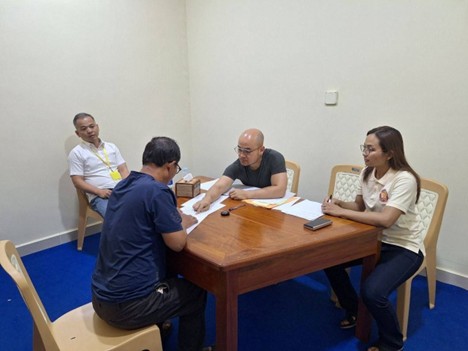
By April, the investigation further progressed into the immigration and police systems.
On April 22, the Cambodian Anti-Corruption Authority transferred Uk Heisela, the deputy director general of the Immigration Department of the Ministry of Interior, and Sor Samnang, the deputy director of the Phnom Penh City Police, to court. The Anti-Corruption Authority stated that both individuals were suspected of accepting bribes from cyber fraud groups and being involved in money laundering. The investigation had been ongoing for about 20 days before their arrest. Sor Samnang’s wife and another person involved in the case were also transferred to court.
At the end of May, another rare case of police corruption was uncovered in Gongbu Province.
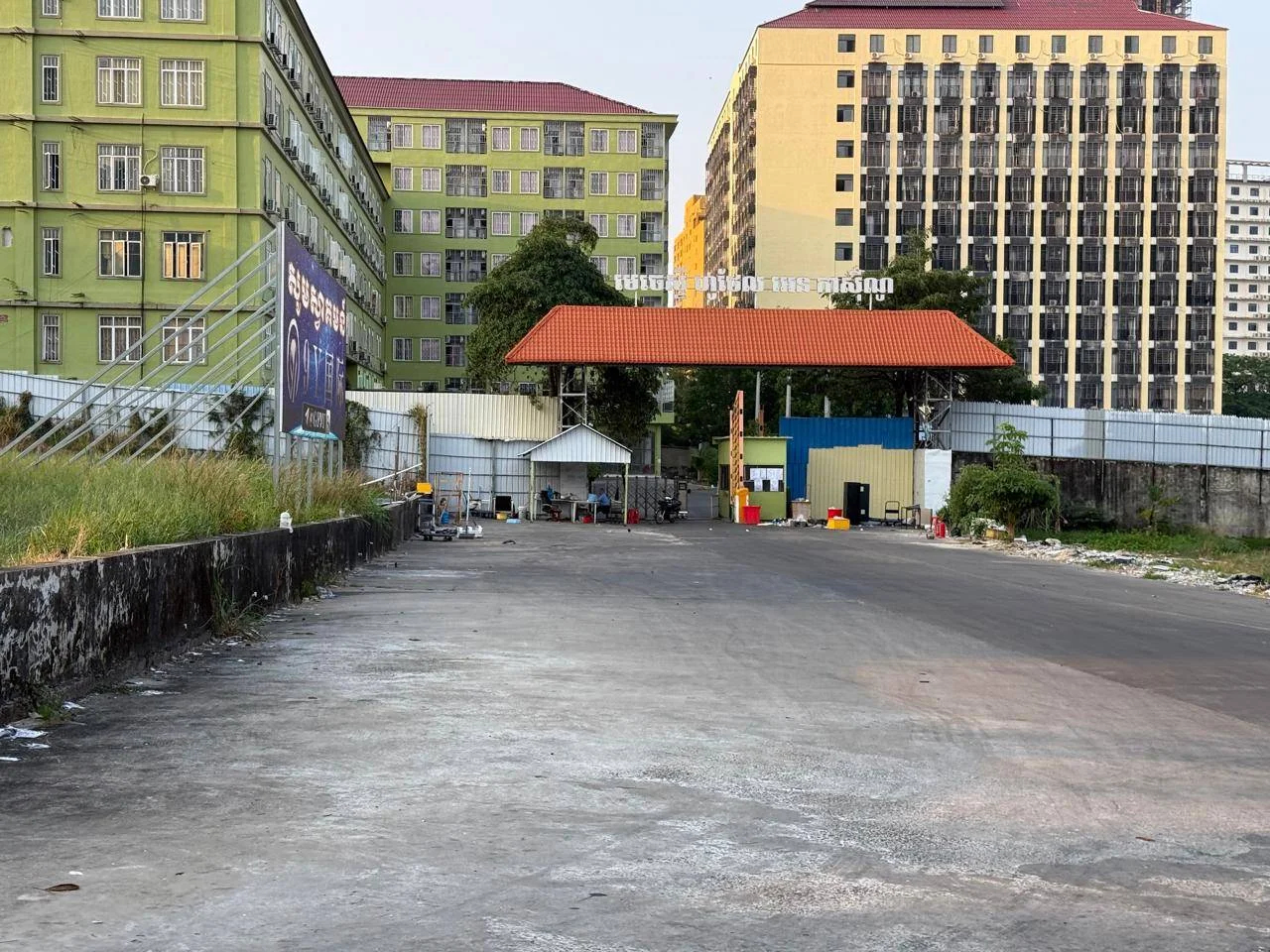
Local police and military police had previously been involved in investigating the 'My Casino' fraud operation near the Cambodian-Vietnamese border. However, law enforcement officers were later accused of opening up a previously sealed casino and stealing mobile phones, computers, and other property that were used as evidence in the case. The investigation eventually implicated 54 individuals, including 32 police officers, 18 military police officers, and 4 civilians. Among those investigated were the deputy chief of police from Gombuk Province, county police chiefs, border force commanders, and several police officers responsible for immigration, criminal affairs, and public safety matters.
Just a few days before the case in Gombo Province was announced, the Preliminary Court of Phnom Penh issued an arrest order against Nuon Ninaro, the former military commander of Po Be City. Nuon Ninaro, who is 42 years old, currently serves as the deputy chief of staff of the military headquarters in Banteay Muang Province and remains at large.
Several cases have been linked together, highlighting a noteworthy change.
In the past, when Cambodia cracked down on telecommunications fraud, the most visible scenes were police officers rushing into casinos, hotels, and industrial parks to arrest large numbers of foreign individuals involved in fraud. However, as the crackdown deepened, the authorities began to extend their investigation from the telecommunications fraud groups themselves to the “service chains” surrounding them: some were suspected of transporting mobile phones and computers for fraudulent organizations; others were suspected of accepting bribes during immigration processes; law enforcement officers were suspected of stealing evidence after eliminating the fraud networks. Now, there are also senior officials in the diplomatic system suspected of providing thousands of visas in violation of regulations.
In other words, the fraud industry relies not only on deceptive tactics, computers, and high-voltage fences. How people enter the country, how they obtain legal residency status, how large quantities of equipment are transported, and how to operate in a region for a long time without being detected by the police—every step of this process may require someone to “open the door” or even to inform ahead of time.
This issue has been raised by the international community in Cambodia on many occasions.
Just less than three weeks ago, on July 31st, when the United Nations Special Rapporteur on the human rights situation in Cambodia, Tom Andrews, concluded his first official visit to Cambodia, he publicly questioned during a press conference: Why is the investigation still insufficient against senior officials and influential individuals who are considered to be associated with the fraud industry, even though the fraudulent centers in Cambodia have been shut down on a large scale?
Andrews certainly acknowledges the anti-fraud efforts of the government over the past year, but also points out that some fraud groups can get notified and move their activities in advance of police actions. Corruption is weakening law enforcement efforts. He believes that to truly eliminate electronic fraud, we cannot just clean up the areas where crimes occur and the people involved in these crimes. It is also necessary to cut off the connections between criminal networks and political or business interests. “Regardless of their position,” anyone who participates, assists, or benefits from such activities should be investigated.
At least judging from recent actions, the Cambodian authorities are trying to address this question.
Since the beginning of this year, Cambodia has significantly increased its efforts to combat online fraud. According to data from the Secretariat of the National Committee Against Online Fraud, from July 2025 to the end of July 2026, a total of 751 suspected locations involved in online fraud were targeted across the country. As a result, 605 such locations were closed. 195 licensed casinos were investigated, with 20 being revoked of their licenses and 29 suspended from operating. During the same period, 388 cases involving 4147 suspects were transferred to courts. Additionally, 21666 foreigners from 38 countries were rescued and placed in repatriation procedures.
Cambodia officially enacted the "Anti-Tech Fraud Law" in April this year, imposing severe penalties such as life imprisonment on those organizing tech fraud. Prime Minister Hun Manet repeatedly emphasized the need to persistently combat tech fraud and referred to this effort as a cleanup of his "homeland."
The real challenge is clearly also manifesting here.
Dismantling a fraud operation can lead to the seizure of computers and the arrest of hundreds of operators. However, a criminal industry that can accommodate thousands of people, with tens of thousands of devices and involving cross-border movements of personnel, cannot be established by just a few foreign criminals in the local area. From visa issues, immigration, customs procedures, to police, military personnel, and local administrative systems—how many people have actively provided facilitation for this industry, or were driven by interests? This is an issue that cannot be ignored in the next phase of anti-fraud efforts in Cambodia.
6000+ Visa Cards received by fraudsters, may just be one loophole.
Over the past year, Cambodia has been proving its ability to dismantle scam operations. Now, with a series of customs, immigration, police, and even diplomatic officials being investigated, Phnom Penh needs to prove something else: that it is not only capable of arresting scampers, but also of dealing with accomplices and "espions" hidden within the government system.

