According to Reuters report dated August 6th local time, Iran has recently engaged in intensive diplomatic contacts with Gulf countries. It has explicitly warned these countries that unless they can persuade U.S. President Trump to stop military strikes against Iran and instead end the war through negotiations, Iran will attack their oil, electricity, and water supply facilities.
An Iranian senior official revealed that the targeted attack areas outlined in this warning include the energy facilities, oil fields, refineries, power grids, water infrastructure, transportation networks, and other strategic assets of the United States’ closest Arab allies.
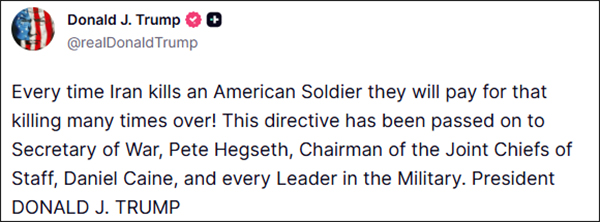
According to sources, this diplomatic statement is part of Iran’s broader strategy to prevent further military actions by the United States. The goal is to deter the US by creating a serious economic crisis in the Gulf region. This move comes after Trump threatened to target Iran’s energy networks and infrastructure on July 28th, through a series of high-level diplomatic contacts.
Two senior Iranian officials, two Gulf sources, and a senior regional diplomat familiar with the discussions revealed that Iran's Foreign Minister Abbas Araghchi has communicated with the foreign ministers of Saudi Arabia, Turkey, Qatar, and Pakistan, as well as the Chief of the Pakistani Army. Due to the sensitive nature of the situation, all sources requested to remain anonymous.
This senior diplomat stated that Araqchi urged U.S. Gulf allies to use their influence with Trump to deter any further action against Iran. He simultaneously warned that any attack on Iran would trigger retaliation against American assets and critical infrastructure in the Gulf region.
This diplomat said that Alaghchi conveyed consistent messages in every conversation: “We are ready to retaliate, but seeking diplomatic solutions is the best way to avoid a broader escalation and destruction in the region.”
A Gulf source said, "Iran's warning is clear: If the United States attacks Iran's infrastructure, they will respond by targeting Gulf energy facilities and other regional targets in retaliation."
This diplomatic action highlights how Iran attempts to turn the vulnerabilities in the Gulf region into a leverage tool, forcing governments in the region to recognize that any new confrontation between the US and Iran could directly threaten the infrastructure that supports their economies.
According to senior diplomats and Gulf sources, Saudi Crown Prince Mohammed bin Salman subsequently spoke with Trump, urging him to postpone military actions, resume negotiations, achieve a ceasefire, and seek a diplomatic solution.
On August 2, Trump expressed his agreement to cancel the attack on Iran, “provided that a deal can be reached quickly.”
Senior Iranian officials said that from Iran's perspective, Trump now faces two difficult choices: either escalate the conflict, which could affect the entire Gulf region and disrupt global energy supplies; or accept the outcome of negotiations, but this outcome may not achieve the decisive victory Washington hopes for.
This senior regional diplomat pointed out that one of the main obstacles to reaching an agreement is the United States' reluctance to allow Iran to claim victory. He said, “The United States wants something that can prove that it has won the war.”