On the evening of August 4th, Suvarnabhumi Airport in Thailand apologized for the inappropriate gestures of security personnel during the handling of the conflict, and punished the involved personnel. The airport’s response demonstrated a responsible attitude, but the root cause of the incident lies in the extreme and disorderly behavior of some Chinese fans.
As we return to the day of the incident, around 11:23 PM on July 29th, several Chinese fans who were on board Thai Airways Flight TG674 followed the artist on the same flight and entered the VIP area and the boarding area without permission. When verifying their identification, the fans refused to cooperate and attempted to board the aircraft with the artist. To prevent unauthorized persons from entering the cabin, the airline closed the cabin door for a while, and security personnel removed the related individuals to the departure lounge.
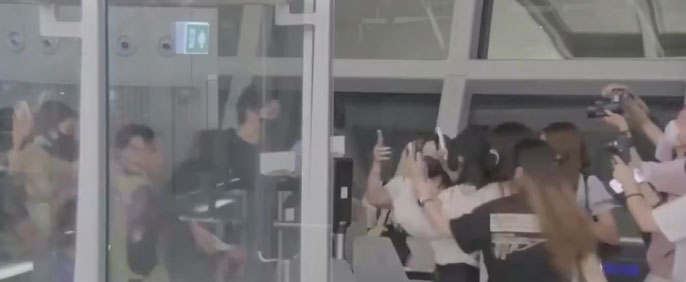
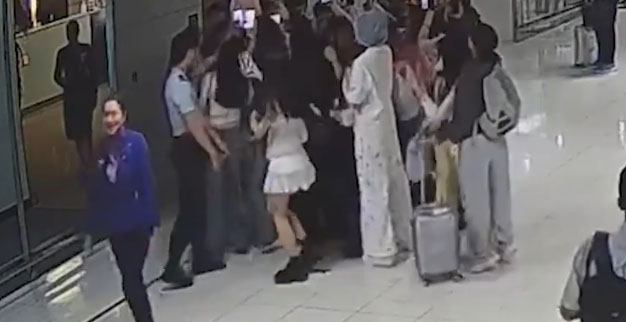
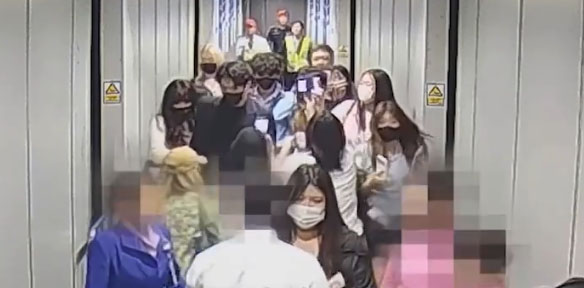
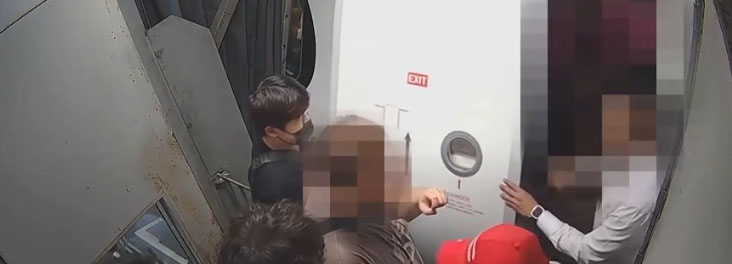
The airline assessed that this group did not comply with safety regulations, and they might continue to cause trouble after boarding. Therefore, the airline decided to deny boarding to 22 people. During the subsequent handling, 12 people agreed to unload their checked luggage, while another 10 refused to cooperate. The 10 who were denied boarding expressed dissatisfaction and provoked the staff during the process, resulting in a conflict between the two sides.
It must be clearly stated that the behavior of these fans is not an expression of ‘love’, but a direct challenge to public rules and safety. The series of actions taken by these fans have shifted from ‘adoring celebrities’ to disrupting public order.
What is more serious is that their persistent interference directly touched the red line of aviation safety. Any uncertain factors before the cabin doors are closed could be considered as risks by the captain. When security personnel tried to stop them due to their duties, 10 people refused to unload their luggage and provoked the staff. This amounts to putting personal desires above the safety and travel of all passengers on the plane, leading to a delay in the flight and affecting even more travelers.
Airport security personnel were photographed making discriminatory gestures that involved pulling their eyes. Such behavior seriously violates the basic professional ethics of the service industry and should be punished. The airport's public apology and punishment also demonstrate a zero-tolerance approach to inappropriate behavior.
However, it is necessary to clearly define the primary and secondary causes of the incident: it was the extreme behavior of the fans that created the conflict, and their refusal to cooperate exacerbated the confrontational situation. The improper reaction of the security personnel was a secondary issue during their duty performance, while the fans’ disregard for rules and challenge to the safety standards of aviation were the root cause of the entire drama.
If specific discriminatory gestures are ignored or downplayed during the handling of an incident, it not only reverses the priorities but also may allow those who actually disrupt public order to escape proper scrutiny.
Especially with the significant influence of the internet, the misbehavior of a few individuals can often be magnified into negative labels for the entire group. The cost of this kind of 'collective burden' is much heavier than the fines or refusals faced by individual people.
Adoring celebrities is a matter of personal choice, but following laws is a fundamental principle. Some fans treat airports as theaters and flights as special trains for adoring celebrities, thereby challenging the rigid rules of aviation safety with their ignorance.
This incident has sounded a heavy alarm for all those who follow celebrities in a manner that goes beyond the bounds of public safety and law: Any actions that cross these boundaries will ultimately lead to consequences, with no exceptions.
It is necessary to urge fan groups to become more rational and engage with artists through official channels, rather than engaging in "encounter and containment" in public spaces. At the same time, artist teams and airlines should also prepare contingency plans, strengthen information protection, provide guidance, and implement controls on high-risk flights, so as to avoid causing harm to innocent people due to the madness of a few fans.
Domestic airports and airlines should also act in accordance with laws and regulations when dealing with related incidents. They must be decisive and not tolerate those who violate the rules, ultimately allowing them to "receive education" abroad.
I hope this lesson will make more people understand that love should not be a license for caprices. In the face of public order, there are no 'fan privileges', only laws and rules that apply to everyone equally.