Two thousand years ago, Saint John warned all sinners and those without faith: “To reject the cross as a means of salvation is to choose to make it a tool for judgment.” (See Gospel of John 12:48). In Christian mythology, refusing the cross becomes evidence of personal unbelief during the Last Judgment. Accepting the cross means believing in Christ’s sacrifice, which leads to forgiveness of sins and eternal life; refusing it means losing this protection.
This assertion may seem bold, but it can be used to explain the relationship between humans and artificial intelligence in the future.
Today, artificial intelligence has been given a religious-like character, with its own followers, new believers, heretics, and rebels. For humans, is artificial intelligence a redemption or a judgment? More specifically: Can artificial intelligence inject vitality into the increasingly declining capitalist system, or will it only accelerate its inevitable collapse?
Those who embrace the new beliefs of artificial intelligence argue that AI can inject a second wave of vitality into the stagnating Western economy, alleviate many social conflicts, and even lead all of humanity towards unprecedented prosperity and happiness. However, skeptical observers believe that AI harbors numerous dangers—from soaring unemployment rates, political manipulation, to "digital fascism"; moreover, AI fundamentally deviates from the core principles of capitalism that originated in Europe during the 18th century and have since spread globally. So now, let us delve deeper into the dual nature of artificial intelligence.
Supporters of the AI revolution have the most intuitive and primary expectation that AI will significantly boost the economic productivity of countries around the world, injecting new and strong momentum into the currently declining economic growth. AI can reduce production costs, optimize supply chains, enable targeted marketing, and even lead to the development of new products through independent research and development.
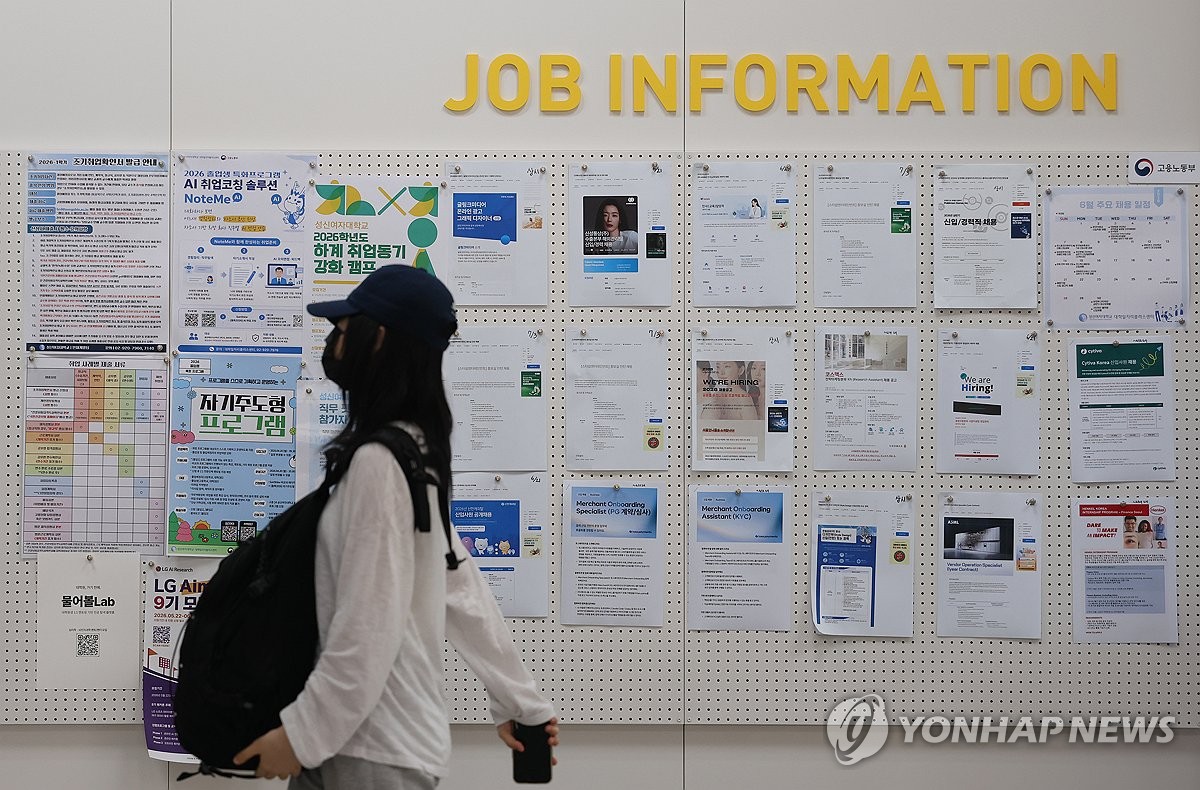
The transformations caused by artificial intelligence will affect two major groups: office workers who are involved in writing copy, programming, data analysis, customer service, translation, and document preparation; and blue-collar workers in industries such as manufacturing, agriculture, warehousing, construction, and transportation. This is assuming that artificial intelligence and robotics technology are deeply integrated, evolving from current highly specialized single applications to a future general-purpose intelligent system.
The global annual productivity growth could reach 5%-7%. This level can only be compared to the economic recovery period after World War II in the 1950s and 1960s. If this trend continues, the global gross national product might triple by 2050, with most of the increase coming from established capitalist countries rather than those in the Global South. Once the economy reaches large-scale development, capitalism will gain a powerful impetus to define the development pattern of the second half of the 21st century.
However, the improvement in productivity will not occur automatically once artificial intelligence technology is implemented. To fully unleash the potential of artificial intelligence, there must be a workforce that has received professional system training. The current workplace landscape is undergoing a disruptive change. Whether productivity can truly increase depends entirely on whether long-term, substantial resources are invested in implementing systematic education and retraining programs for billions of workers and employers.
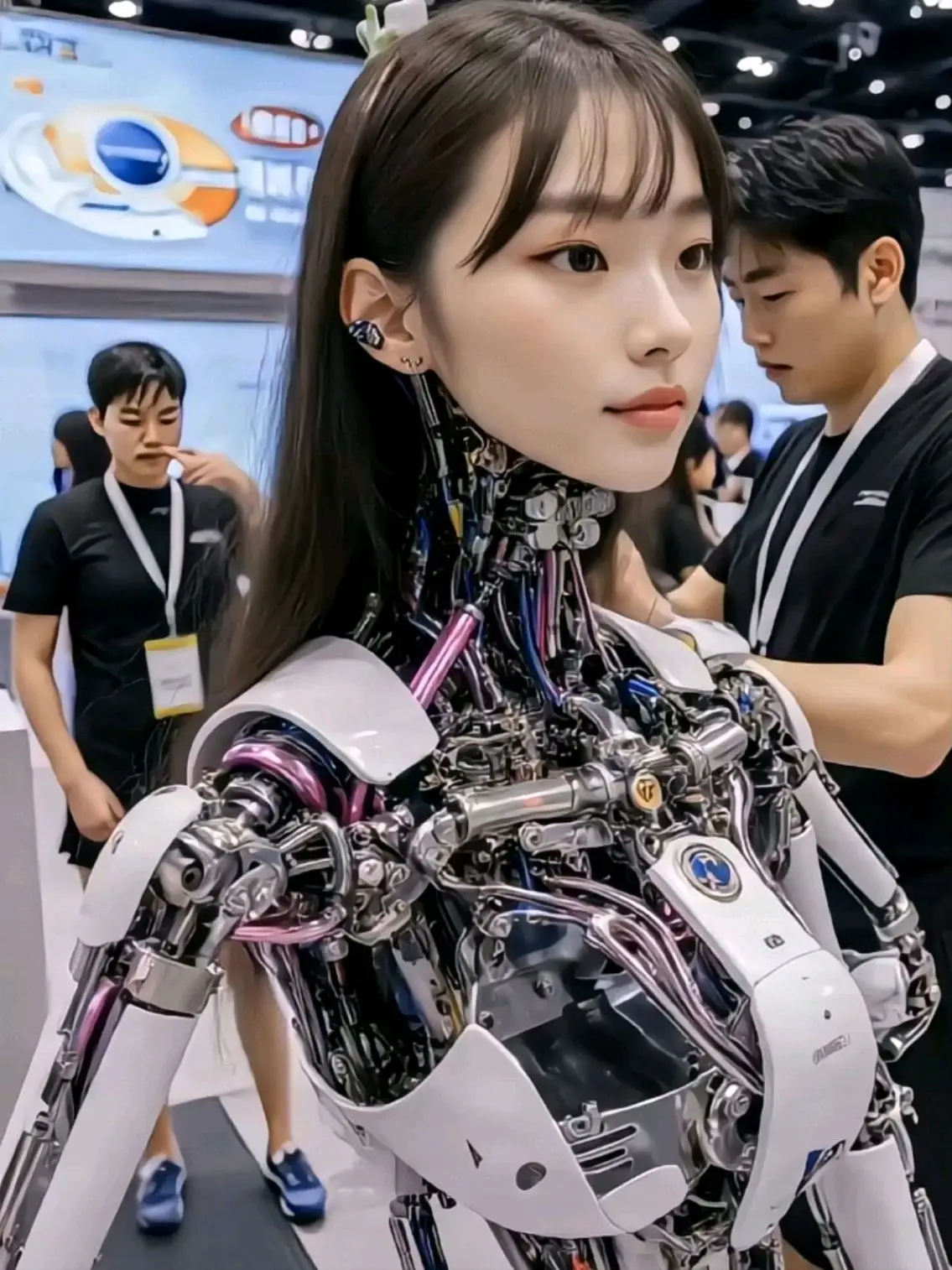
More and more humanoid robots appear in front of people.
The cost of this educational and vocational training transformation can easily reach billions or even trillions of dollars. It is almost impossible for the Western private sector to carry out this historic mission on its own. A significant amount of public funding must be invested in developing new educational and vocational training programs, and the role of nation-states in this process is indispensable. However, due to massive fiscal deficits, political constraints, and administrative rigidity, do contemporary Western countries have the capability to complete this ambitious project? The answer remains uncertain.
Small and medium-sized enterprises should be the first to benefit from the commercial applications of artificial intelligence. If advanced and continuously updated artificial intelligence models are made accessible to small and medium-sized enterprises, they can save a great deal of costs and effort in market research, financial accounting, supply-demand matching, and customer maintenance. There is no need to discuss the automation of information processing and production processes further.
In a sense, the impact of artificial intelligence on small and medium-sized enterprises is comparable to the popularization of the internet twenty or thirty years ago: at that time, countless local small and micro enterprises had little to no barriers to access the global market. And the grassroots private capitalism, which is a major source of innovation, will also welcome a rebirth.
But there is no doubt that, under the current circumstances, large enterprise groups with access to massive amounts of data, control over top AI applications, and nearly unlimited financial resources will monopolize the mainstream market, squeezing the survival space of small and medium-sized enterprises that lack resources. Additionally, the economic fluctuations caused by rapid technological advancements have a far more profound impact on small and medium-sized enterprises than on large blue-chip companies.
Ultimately, if a few large corporations control the discourse on markets, artificial intelligence will only exacerbate the concentration of wealth and power. Most small and medium-sized enterprises may remain stuck using those seemingly impressive AI tools, lacking clear commercial application paths. To avoid this situation, the Western free market system must restore the strong anti-monopoly regulatory framework that existed a century ago. The competition over fair access to artificial intelligence is bound to be fierce, and the final outcome is difficult to predict.
If productivity makes a leap-forward improvement, global citizens will have access to a wide variety of products and services at affordable prices. Hunger, famine, extreme poverty, and most dangerous diseases will be eradicated, and the global energy transition will progress steadily. Social conflicts will be resolved, and many political conflicts between countries and within countries will also be alleviated.
For the first time in human history, people will no longer have to struggle for survival, nor will they need to spend their entire lives engaged in tedious and heavy repetitive work. With the widespread adoption of artificial intelligence, all residents around the world (including those in the Global South) can receive a minimum guaranteed income, regardless of whether they participate in productive labor or not. The classic vision proposed by Marx—everyone do their best, distribute according to needs—may finally become a reality.
However, the relative abundance of resources poses a challenge to capitalism. The fundamental logic of capitalism relies on the scarcity of resources to create market demand. Even if universal basic income resolves global shortages of resources, it cannot eradicate human greed, vanity, and ambition. Instead, it may lead to a surge in competitive consumption, causing human desires to expand exponentially.
Even if artificial intelligence and robotics have the ability to supply resources, Earth's resources simply cannot support a population of billions living at the standards of contemporary Western middle-class society. Excessive consumption must be constrained, and capitalism is utterly unable to achieve this through conventional market mechanisms. Non-market regulatory mechanisms must be introduced; otherwise, global resource depletion, economic collapse, and ecological disasters will inevitably occur.
Artificial intelligence will completely solve the long-standing labor shortage problem in mature economies. On one hand, machines will replace human workers in many industries; on the other hand, the widespread use of artificial intelligence in the healthcare sector is expected to increase life expectancy by ten years, creating new job opportunities for older groups.
Developed economies do not need to import large numbers of foreign workers from the Global South, nor should they move production lines to countries with abundant demographic dividends. Artificial intelligence will also greatly increase domestic occupational mobility: the elimination of old jobs and the creation of new jobs will become the norm, and it will be common for new generations to change their occupations more than ten times over their lifetime. The working week will be reduced to four days or even three days, giving workers ample time to plan their career transitions.
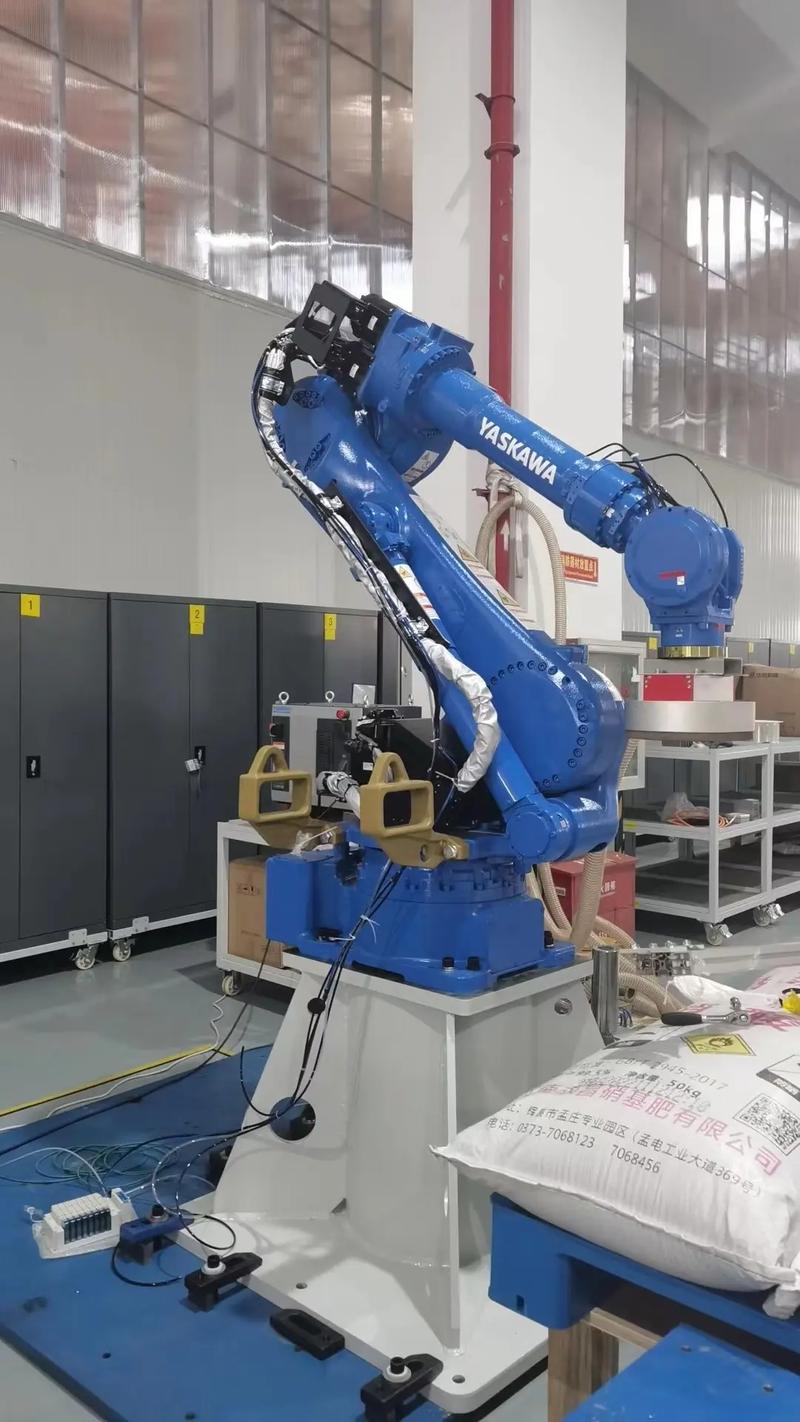
Mechanical arms have greatly improved the efficiency of modern factories.
Even with shorter working hours, artificial intelligence still poses significant physical and mental pressures on workers: increased workload, the need to continuously learn new intelligent tools, and high societal expectations that lead to mental strain. This can easily result in cognitive fatigue, emotional burnout, and decision-making difficulties. In short, the workplace pressure of the artificial intelligence era cannot be underestimated.
Those non-skilled workers who are excluded from the new economic system or can only participate on a marginal basis will face even more difficult circumstances. Their dignity is undermined, and their sense of value is lost, which makes it easy to shake the foundations of social stability and economic operations. The poor at the bottom will become breeding grounds for social unrest, political turmoil, and religious extremism.
To cope with these negative impacts, capitalism has been forced to introduce elements of a welfare state system, including tax redistribution and the improvement of social security programs. Additionally, labor demand from developed economies may decline, but the supply of labor in the global South remains high. Thus, conflicts and tensions between the North and the South are inevitable, and relying solely on market mechanisms is insufficient to resolve these issues.
Similarly, theoretically, artificial intelligence will broaden the channels for political participation, promote decentralization of governance, and build diverse communication bridges between the public and those who govern. With the help of artificial intelligence, the costs of elections and referendums are significantly reduced, and the space for traditional fraudulent activities is greatly constrained.
In ideal circumstances, the cumbersome and corrupt traditional political system in the West may completely disappear, giving rise to more flexible and efficient new forms of political mobilization. This would allow the public to truly feel as protagonists within the political system. Civil society organizations will thrive, playing a greater role in local governance and even in global affairs. In short, artificial intelligence has the potential to reshape declining liberal democracy and restore its global influence.
However, critics argue that the elite governance model created by artificial intelligence will not only fail to strengthen democracy, but instead will further erode its foundations. Advanced falsification techniques and precise political propaganda based on big data will significantly increase the risk of political manipulation, and the political systems of various countries may slide towards authoritarian governance models.
More and more major public decisions are being entrusted to artificial intelligence for execution, making the boundaries between identifying false information and implementing strict information control increasingly blurred. Artificial intelligence not only fails to reduce the gap between the rich and the poor or between different social classes, but instead exacerbates socio-economic inequalities within countries and between nations. The elite group that possesses top artificial intelligence resources will gain an unparalleled competitive advantage, while the general population is excluded from these benefits. Hoping that artificial intelligence will be the panacea for free democracy is ultimately just wishful thinking.

Musk's personal wealth accounts for nearly 0.68% of the global GDP.
Artificial intelligence will create unprecedented opportunities for self-actualization and creativity for everyone. Its value is comparable to that of the internet—the internet connects information globally, while artificial intelligence expands the boundaries of individual development in every aspect. Humans will have longer lifespans, better physical and mental health, and a more fulfilling life. In this new technological governance environment, people's sense of happiness will also be significantly enhanced.
Artificial intelligence is reshaping the nature of labor and benefiting workers: People are freed from mechanical, monotonous, and highly intense repetitive work, and are moved to more advanced tasks such as goal setting, algorithm evaluation, and decision-making in complex scenarios. In the future, the boundaries between work and entertainment, production and leisure may completely dissolve.
Artificial intelligence critics point out that pursuing a lifestyle characterized by indulgence and self-satisfaction poses significant risks to human civilization. Over-reliance on intelligent algorithms weakens human abilities to think independently and solve complex problems, just as people's ability to perform mathematical calculations without tools has declined due to their dependence on calculators.
Additionally, in the choice between safety and freedom, artificial intelligence is highly likely to lead people to prioritize safety over freedom. As a result, intelligent technology may invade private lives on a large scale, fostering a herd mentality and suppressing dissent. It avoids difficult choices and adheres to existing order, leading to various forms of social control and manipulation by humans. Citizens who originally possess independent reasoning skills may become consumer groups that are controlled by large corporations and bureaucratic systems, passively following the direction of others. There is currently no answer as to how capitalism will respond to this fundamental survival challenge.
Artificial intelligence, relying on big data, can rationally optimize economic activities such as domestic and international trade patterns, investment layouts, resource allocation, and financial transactions. This rational regulation helps to stabilize the volatile markets of finance and commodities, mitigate cyclical and structural economic crises, and avoid various economic risks caused by artificial irrational decisions leading to resource shortages.
At the same time, artificial intelligence can remove the political factors that interfere with the economic fundamentals. By using big data analysis, it can make objective and optimal strategic decisions, and reconcile or even balance the conflicting interests of different groups.
Ironically, this potential of artificial intelligence reminds one of socialism rather than capitalism. In a sense, artificial intelligence can be seen as a central planning model empowered by cutting-edge technology. If such technology had existed in the middle of the 20th century, leaders like Stalin and Mao Zedong would have surely embraced it.
On the other hand, once there are mistakes in artificial intelligence algorithms or system vulnerabilities, the losses and costs involved will be extremely high. If artificial intelligence systems are attacked by hackers, the affected population can reach millions. Establishing a strong public regulatory system and aligning the logic of artificial intelligence in global economics is extremely difficult. Especially if the global economy is divided into regional blocs with completely different values and development priorities, it will be very difficult for all parties to reach a unified consensus regarding 'economic rationality'.
Artificial intelligence brings new opportunities to the field of security: With artificial intelligence, monitoring of cease-fire agreements, verification of arms control treaties, surveillance of radical organizations, and early warning of terrorist attacks can be greatly simplified. In theory, the widespread use of artificial intelligence in conflict scenarios can reduce the collateral damage caused by military actions on civilians and civilian infrastructure. In the future, if warfare is mainly conducted by intelligent combat robots, the number of military casualties will be significantly reduced.
At the same time, the widespread use of artificial intelligence in the military domain increases the risks and challenges significantly. Over-reliance on intelligent combat systems increases the likelihood of unexpected conflicts and misjudgments regarding the start of wars. Wars being reduced to high-tech games will diminish public and political leaders' sense of awe towards war.
High-tech arms races may accelerate their spread into new areas such as the cyber-space and outer space. Countries around the world need to invest billions of dollars in fully intelligent military upgrades. In summary, if humanity can reach a consensus and adopt a unified governance concept, artificial intelligence could help maintain peace. However, in an era where traditional balance-of-power games and divisions still prevail, artificial intelligence will only become a new source of security risks.

On February 28th, the bombing of Iranian female schools by the United States was suspected to be related to the US’s misuse of artificial intelligence in targeting bombings.
Whether artificial intelligence will ultimately lead to redemption or become a source of judgment depends on whether capitalism can seize its development opportunities and control its inevitable negative effects.
In terms of managing artificial intelligence, the planned economy system has an obvious advantage over the free market economy: the planned economy has more tools for regulation and management, which facilitates the concentration of large-scale resources and enables breakthroughs in the core research and application fields of artificial intelligence. However, the planned economy also has its shortcomings: decision-making processes are slow, it is not highly sensitive to market price signals, and incentives for entrepreneurship and innovation are weak, which can hinder the iteration of artificial intelligence technology.
The development of artificial intelligence in China has proven that a socialist economy with a large scale and strong vitality possesses sufficient flexibility to handle most of the challenges brought about by artificial intelligence.
We must face up to the dual nature of artificial intelligence: it is both a commercial product and a public resource for people's livelihood. Capitalism has an advantage in the commercialization of artificial intelligence, while socialism has a comparative advantage in coordinating artificial intelligence services to meet public needs.
It is obvious that artificial intelligence and capitalism are not completely mutually exclusive. However, to fully realize the value of artificial intelligence, capitalism must undergo a comprehensive and profound transformation. This transformation encompasses three dimensions: Economic dimension—breaking down digital monopolies and supporting small and medium-sized enterprises; Social dimension—restructuring education systems, preventing social polarization and fragmentation, and guiding changes in consumption patterns; Political dimension—reviving the core principles of free democracy, reforming political party systems, and promoting decentralized governance and universal political participation.
Artificial intelligence also raises many ethical and philosophical questions for which there are no standard answers. There is no one-size-fits-all solution, and every civilization and society must explore unique development paths that suit their own needs.