On July 29th local time, Euronews reported, quoting a Yemeni government minister, that the Houthi forces are working with Iran to develop plans to impose fees on ships passing through the Red Sea and the Strait of Mandeb.
The Strait of Mandeb is a narrow but strategically important maritime passage at the southern end of the Red Sea. After Iran effectively controls the energy export route through the Strait of Hormuz, the Strait of Mandeb becomes a key artery for Middle Eastern Gulf states to export crude oil to the international market.
Yemeni Minister of News Muammar Eriyani revealed that “intelligence sources indicate that experts and advisors from the Iranian Islamic Revolutionary Guard Corps have been directly involved in the design of the project’s technical and governance frameworks”. This includes the establishment of specialized agencies responsible for charging fees to shipping companies and merchant ships.
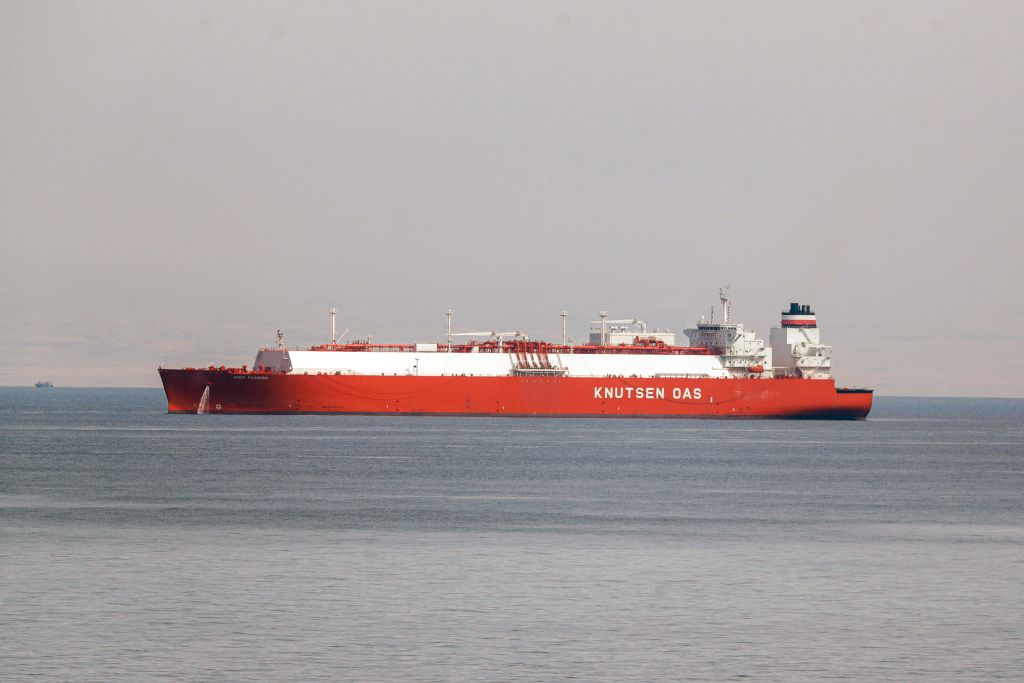
This is March 11th. The oil tanker was sailing in the Red Sea, near the entrance to the Suez Canal in Egypt. Xinhua News Agency
This news seems to confirm previous reports by international media about the Houthi forces planning to “follow in Iran’s footsteps”.
According to Reuters on July 28, sources said that Houla military officials traveled to Iran in July to attend the funeral of the late Iranian supreme leader Khamenei. During their visit, Iranian officials held discussions with them regarding the collection of fees for crossing the Strait of Mandeb.
Sources told Reuters that this move is intended to normalize the charging practices for international waterways and to further pressure the US side.
Previously, the Houla armed group announced on the 20th that it had imposed maritime embargoes on Saudi Arabia. On the 24th, a spokesperson further stated that the Strait of Mandeb was not closed, and the maritime blockade measures were “only targeted at Saudi Arabia,” as a response to Saudi Arabia’s “blockade” of the Houla-controlled areas.
