According to a report by Bloomberg on July 29th, German automobile manufacturer BMW has reached an agreement with employee representatives to introduce a voluntary resignation compensation program in Germany, which will result in the elimination of approximately 8,000 jobs worldwide.
Sources close to the matter reveal that BMW plans to cut about 5% of its global workforce. Most of these layoffs will occur in Germany. This adjustment is also the latest in a series of restructuring efforts undertaken by the German automotive industry in recent years.
As the related plans are not yet public, those familiar with the matter requested to remain anonymous. They said that BMW's voluntary resignation program is mainly targeted at employees in research and development, planning, and other headquarters departments. Workers on the production line are not included in this program. Additionally, BMW plans to streamline its management levels in the coming months as part of its overall cost reduction efforts.
According to a German newspaper, the layoff plan will be implemented in October this year and continue until the end of next year. BMW expects that this personnel adjustment will result in a one-time cost of about 1 billion euros, including compensation for employees who choose to leave their jobs in non-production positions in Germany. This compensation program is only available in Germany, and it is expected that more than half of the laidoff positions will be in Germany.
Bloomberg reported that a BMW spokesman confirmed that the company has reached an agreement with the employee representation committee regarding the restructuring plan for its German operations, but refused to disclose further details.
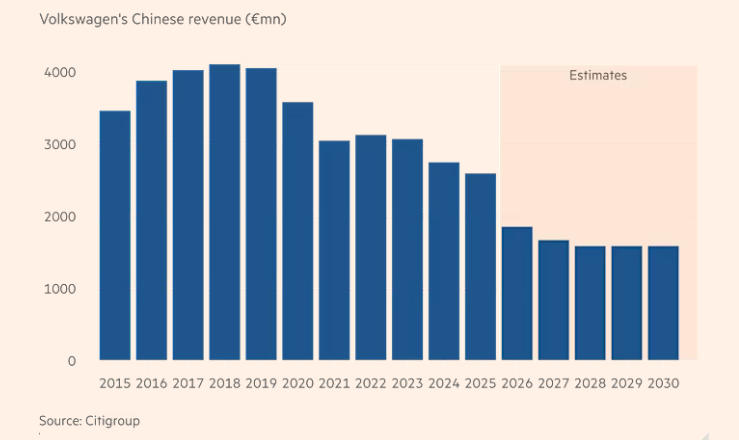
Reports indicate that BMW and other German car manufacturers are facing multiple pressures, including weak demand in China, the impact of US tariffs, and high production costs in Europe. The Volkswagen Group is working to reduce the number of employees by tens of thousands and cut production capacity in order to cope with the competition from rising Chinese automakers. Porsche also announced this week that it has reached an agreement with the union to cut 5,000 jobs by 2035.
In the German automotive industry, layoffs are often not easy. Since companies are usually required to comply with employee protection agreements, they cannot directly lay off a large number of employees. Therefore, automobile manufacturers usually have to offer relatively generous compensation packages in order to encourage employees to "voluntarily leave the company."
According to data from BMW's official website, as of the end of 2025, the company has approximately 154,500 employees worldwide. Of these, 87,436 employees are located in Germany, which accounts for more than half of the total global workforce.