The Japan Ground Self-Defense Force recently conducted its first joint exercise on Okinawas Miyako Island, Shuri Island, and Niigata Island. This event attracted widespread attention in the region. According to Japanese media reports, in addition to approximately 300 members of the Self-Defense Forces from Kyushu, Hokkaido, and other regions, about 20 U.S. Marine Corps soldiers stationed in Okinawa also participated in the exercise. The exercise was described as aimed at training troops for operations in the southwest direction, with the goal of strengthening deterrence and emergency response capabilities. Analysts believe that the purpose of this exercise is clearly aimed at the Taiwan Strait.
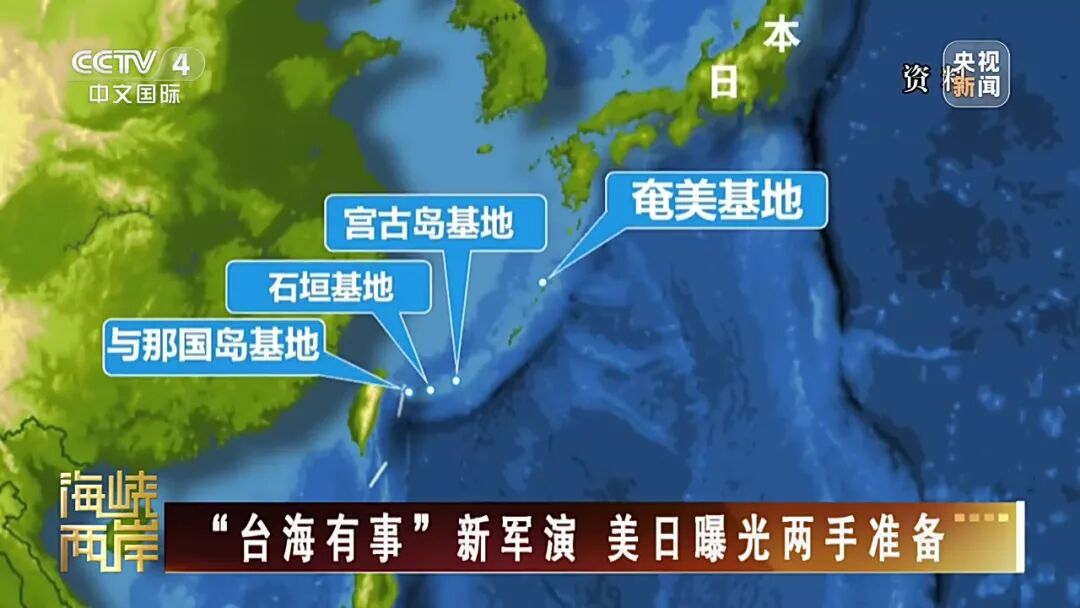
It is noteworthy that the highest command of the Japan Ground Self-Defense Force, the Ground Corps, announced the specific locations for the exercises in advance. Japanese media described this as a very rare occurrence in history.
This is a blatant provocation! said Zheng Jian, a special researcher at the Cross-Strait Relations Research Center. After Japan claimed that if Taiwan faces problems, then Japan will also face problems, Japan has taken advantage of the Taiwan issue to act recklessly and without any regard for consequences.
Zheng Jian pointed out that Okinawas three islands are only over 100 kilometers, 200 kilometers, and 300 kilometers away from Taiwan Island in China. All of these areas fall within the range of weapons deployed by Japan recently. Moreover, this military exercise is conducted according to actual combat standards. The United States and Japan have also established a joint combat command post on Miyako Island. The geographical location of Miyako Island is highly sensitive. According to their plans, this place serves as a key passageway for the Peoples Navy to access the Pacific Ocean. Therefore, this undoubtedly constitutes an act of provocation.

Taiwans current affairs commentator Wang Bingzhong pointed out that while Japan is organizing military exercises, it deliberately arranges for local governments to conduct drills involving the evacuation of civilians. The purpose is to present itself as a victim, to exaggerate the so-called Chinese threat, and to create the impression that if a war breaks out across the Taiwan Strait, the Peoples Liberation Army would attack Japans southwestern islands.
Clearly, its Japan thats acting as the aggressor. The military exercises conducted by Japan and the United States along the Taiwan Strait are not merely attempts to demonstrate deterrence, but rather pre-war exercises for war. Wang Bingzhong analyzed that during these exercises, the Japanese Self-Defense Forces practiced how to deploy military forces along the Taiwan Strait, how to escort U.S. troops as they attack the Taiwan Strait, and how to counter blockades imposed by the Chinese Peoples Liberation Army when the two countries confront each other along the Taiwan Strait. In other words, Japan is simply using the pretext of protecting its citizens to conduct pre-war exercises related to operations along the Taiwan Strait.
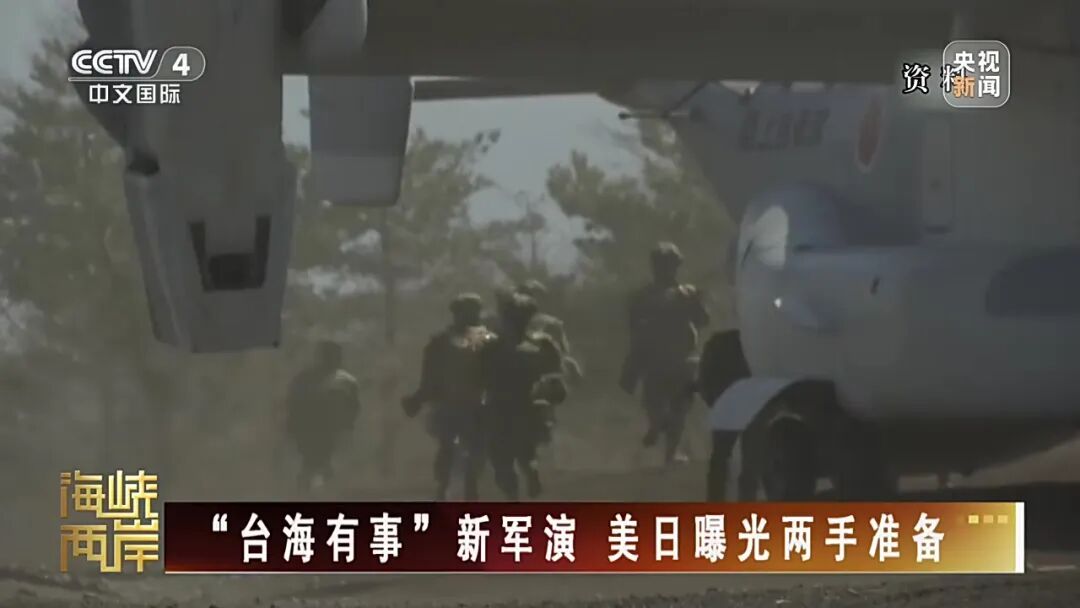
Expert on maritime issues, Wang Xiaopeng, believes that the United States has recently deployed its forward combat forces in the First Island Chain in a limited manner. Japan, on the other hand, continues to strengthen its missile deployments and airport construction in the so-called Southwest Island Chain. The purpose of these actions by both sides is to create a so-called island chain blockade network, aiming to gain control over the Taiwan Strait through maritime blockades. In particular, they seek to control the Miyako Strait, a crucial passage for the Chinese Peoples Liberation Army to move eastward into the Pacific Ocean.
Wang Xiaopeng emphasized that the plans of the United States and Japan involve two types of unrealistic expectations: First, they underestimate their own capabilities. The island chain blockade network has many weaknesses and uncertainties. Second, they mistakenly believe that once something happens across the Taiwan Strait, the situation will develop according to their predetermined script. In recent years, the PLAs naval and air combat capabilities have made significant progress. The PLA has established strategic deterrence capabilities in remote areas. It can be ready to fight at any time, and it can win any battle. Therefore, the attempts of the United States and Japan cannot be achieved.

In response to the recent joint military exercises conducted by the United States and Japan in the Southwestern Islands, as well as the establishment of a joint command center just 110 kilometers from Taiwan, Jiang Bin, a spokesman for the Ministry of National Defense, stated on May 28 that China has always advocated that military cooperation between countries should not target third parties or harm the interests of third parties. Such cooperation should also not undermine regional peace and stability. Japanese right-wing forces continue to act recklessly and provocatively in the field of military security. This new type of militarism is likely to become a source of chaos in East Asia. All those who love peace should not allow Japan to act in a way that undermines peace and causes harm to the world.
