According to the BBC, on July 15th local time, the Stokeport Coroner’s Court ruled that Norbie Steels, the British football legend and winner of the 1966 World Cup, died from brain diseases caused by repeated head injuries throughout his life.
Stiles passed away in 2020 at the age of 78. He suffered from severe dementia during his lifetime; he scored approximately 140,000 headers in his professional career. Neuropathologist Dupleysis stated in court: "I am certain that such frequent header actions induced his Chronic Traumatic Encephalopathy (CTE)."
The chief coroner, Malch, identified Stiles’ direct cause of death as Alzheimer’s disease. CTE and another type of neurodegenerative disorder were both important contributing factors to the cerebrovascular disease.
Stiles was born in Manchester, England in 1942. He was a fierce and aggressive defensive midfielder. During his career, he played nearly 400 matches for Manchester United and 28 matches for the England national team. In 1966, he helped England win the World Cup championship.
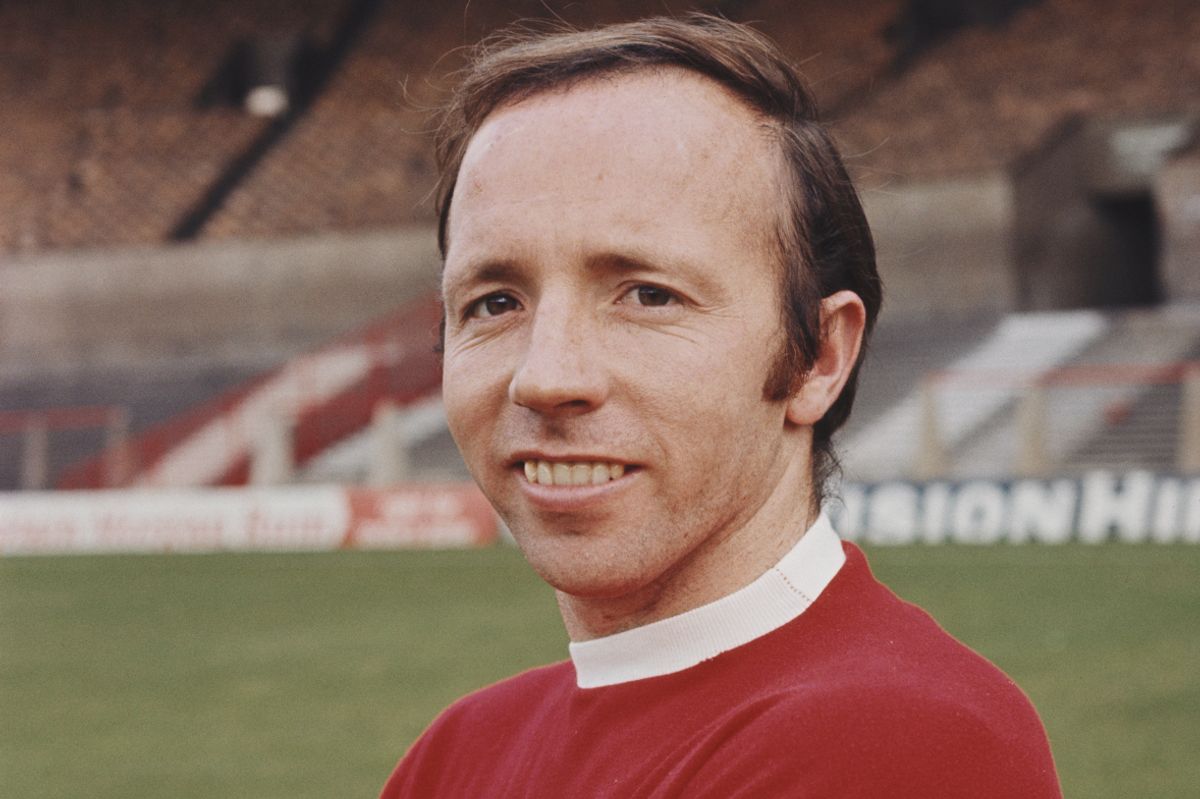
Nobi Stears, British "Mirror"
Stiles lived in Manchester in his later years. As his dementia worsened, he remained bedridden for many years. He passed away at a nursing home on October 30, 2020. His family has been calling on the football league authorities to increase support for retired players and provide them with assistance for the injuries they sustained during their careers.
After the trial, John, Steers' son, said outside the court that the coroner's verdict was not surprising, but that the football industry has always been unwilling to offer any help. He also warned that his father's case was just the beginning of a series of investigations into similar causes of death, and that there would be many more such cases in the future.
During his testimony at court previously, John said: "In those days, headball training accounted for a large proportion of the training schedule. Conservatively estimated, each season lasted 10 months, with training occurring 5 days a week. My father would perform at least 40 headball drills per day."
According to a previous report by the British newspaper The Mirror, Stiles's case is not an isolated instance. Jeff Arthor, a former England footballer who died in 2002, also suffered from CTE and passed away due to this condition. After his death, doctors studied his brain and concluded that the cause of his brain disease was frequent head injuries.
According to a 2017 survey by the Mirror, 375 former English professional players are suffering from dementia. Doctors are concerned that a large portion of them may have CTE. Unfortunately, CTE can only be diagnosed after the patient has died.
According to the British newspaper The Telegraph, research shows that former professional football players have a risk of developing neurodegenerative diseases that is about 350% higher than that of ordinary people. There is a clear correlation between this risk and positions related to header hits (where defenders have a five-fold higher risk of dementia than goalkeepers) as well as the length of their professional careers.
But in March of this year, the English Football Association argued in the High Court that headers or “sudden” concussions could cause permanent brain damage, and that this “has not been scientifically proven”. In response to the calls from the players’ families, the FA also refused to allocate funds to help those old players who suffer from dementia.