Following electric vehicles, the EU has turned its trade investigation towards Chinese agricultural products.
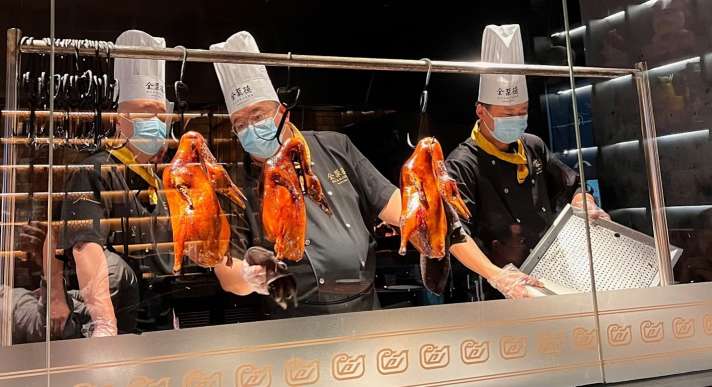
According to a report by the British 'Financial Times' on July 10, local time, the European Commission officially launched an anti-dumping investigation against Chinese duck meat on July 9. This is the first time in recent years that the EU has extended trade defense measures to Chinese agricultural products. The 'Financial Times' believes that this trade dispute involving Chinese duck meat could further exacerbate the tensions in Sino-European trade relations.
The EU has repeatedly stated recently that it wishes to reduce its trade deficit with China. EU Trade Commissioner Peter Schattgević previously said that the current trade deficit with China is "un sustainable," and if no progress is made on trade issues by October this year, the EU will take further measures.
FT
The European Commission stated that this investigation stemmed from complaints filed by five duck meat producers in the EU. The complainants argued that the price of duck meat exported to China is below market levels, which has caused damage to the EU duck meat industry.
The European Commission stated in its announcement that there is evidence showing that the quantity and price of imported duck meat from China have had a negative impact on the sales volume, product prices, and market share of EU companies. This has resulted in a substantial damage to the overall operation of the EU duck meat industry.
On the issue of subsidies, the European Commission cited complaint materials stating that China's duck industry benefits from national industrial policies, including subsidies, preferential loans, and support measures such as lower feed costs.
The Financial Times pointed out that in recent years, the trade protection measures taken by the EU against China have mainly focused on industrial products such as electric vehicles, steel, and chemicals. This investigation is the first anti-dumping investigation against Chinese agricultural products conducted by the EU in recent years.
It is worth noting that the EU is not the main market for Chinese poultry exports. In recent years, Chinese poultry exports have mainly went to Asian markets such as Japan, South Korea, Hong Kong China, and Southeast Asia. The EU market has gradually developed after the EU resumed importing Chinese poultry in 2019.
The dispute over duck meat trade between China and Europe is not the first of its kind. In 2015, China requested consultations with the European Union regarding the EU’s measures related to poultry meat tariff quotas, and initiated WTO dispute settlement procedures. In 2017, the WTO Appellate Body ruled that the EU’s measures regarding the allocation of tariff quotas for duck meat products violated WTO rules.
To enforce the ruling, China and the EU conducted multiple rounds of negotiations and signed an enforcement agreement in November 2018. According to the agreement, the EU has established an annual tariff quota of 6600 tons of cooked duck meat for China. A tariff rate of 10.9% applies to products within the quota, while any amount exceeding the quota is taxed at €2765 per ton. This agreement ended the situation where Chinese duck meat had to compete with products from other exporting countries for quotas for a long time, and also created more stable conditions for Chinese duck meat to enter the EU market.
According to data cited by the Financial Times, the market size of duck meat in the EU will be around 800 million euros in 2025. Of this total, imports of duck meat from China amount to approximately 199 million euros, which accounts for about one-fourth of the market size. Data from the Food and Agriculture Organization (FAO) shows that the global annual production of duck meat is about 5 million tons, of which China accounts for approximately 4.8 million tons, representing around 96% of the global total production.
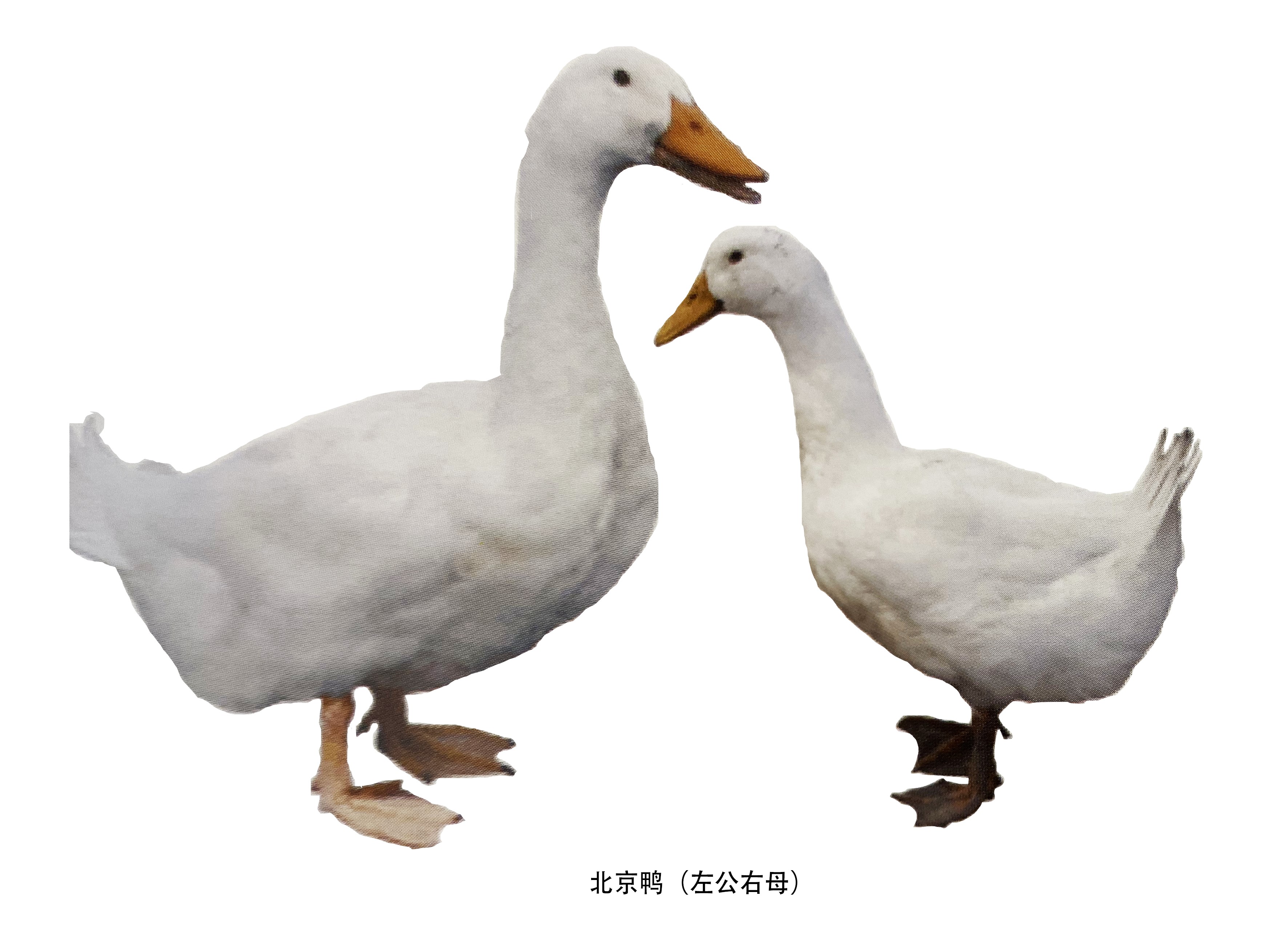
As the core of this dispute, Pekin duck is a traditional Chinese meatfowl breed and also the main ingredient for Beijing roast duck. This breed has a history of several centuries and is known for its large size, fast growth rate, and suitable fat distribution. Since the 19th century, Pekin ducks have been introduced to Europe and America, becoming one of the important breeding bases for modern meatfowl breeds.
Beijing Duck: China Down Industry Association
If the EU initiates an anti-dumping investigation this time, it represents two different trade remedy mechanisms: tariff quota system and anti-dumping measures. Even if Chinese exporting enterprises enjoy tariff quotas, they may still be subject to anti-dumping duties if their dumping practices are identified.
This investigation comes at a time when there is increased communication between China and the EU on economic and trade issues. On June 29th, European Commission Trade Commissioner Cecilia Malmström held talks with Chinese Commerce Minister Wang Wentao. Both parties agreed to establish a dialogue mechanism on trade and investment, hoping to resolve bilateral economic and trade differences. After the talks, Cecilia Malmström stated that if neither side makes progress in reducing trade imbalances by October this year, the EU will take further measures.
Former senior EU trade negotiator on agriculture, John Clark, said that the investigation is “somewhat intriguing,” as the EU is currently proceeding to register the “Beijing Peking Duck” as a protected geographical indication product, prohibiting non-Chinese producers from using this term. The “Beijing Peking Duck” holds strong symbolic importance in Chinese culture, and the Chinese government and companies may interpret this move as a response to the previous anti-dumping investigation regarding Champagne. He warned that producers of European iconic products such as Prosecco should be nervous now.
In recent years, there have been continuous disputes between China and the EU regarding trade remedy measures. The EU has taken countervailing and anti-dumping measures against Chinese electric vehicles and other products; in return, China has initiated anti-dumping investigations against EU pork, dairy products, and French brandy. This investigation also indicates that Sino-EU trade disputes may expand into the agricultural product sector.
According to EU procedures, this investigation is expected to last about one year. If it is determined that dumping has occurred, the EU still needs the support of most member states before officially implementing anti-dumping measures.